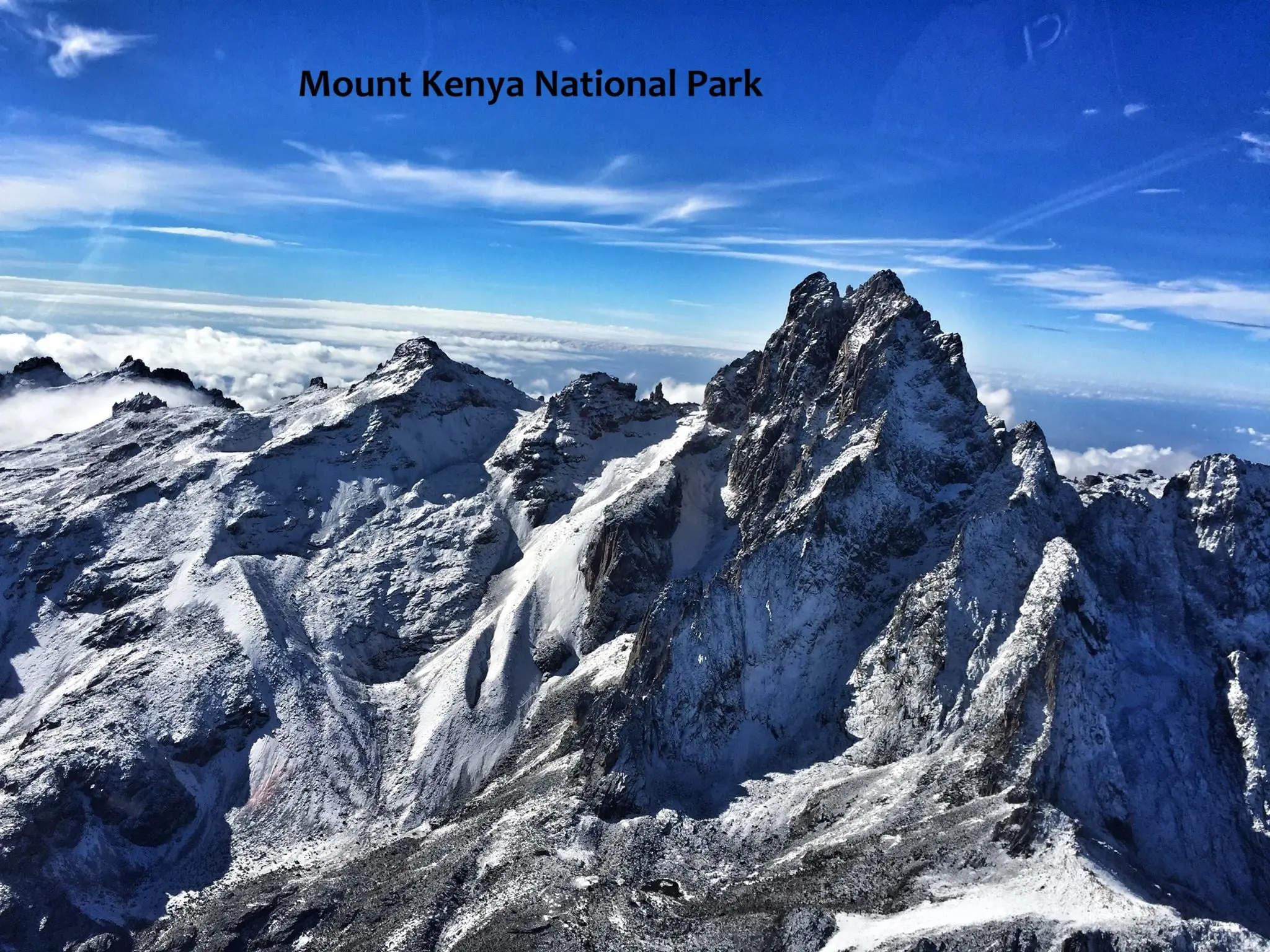
Mount Kenya National Park is a protected area and UNESCO World Heritage Site encompassing the country's highest mountain.
The park, covering 715 square kilometres, was formally established in 1949. Its purpose was to conserve the unique afro-alpine ecosystems, wildlife, and the critical water catchment area of Mount Kenya.
Establishment and Purpose of the Park
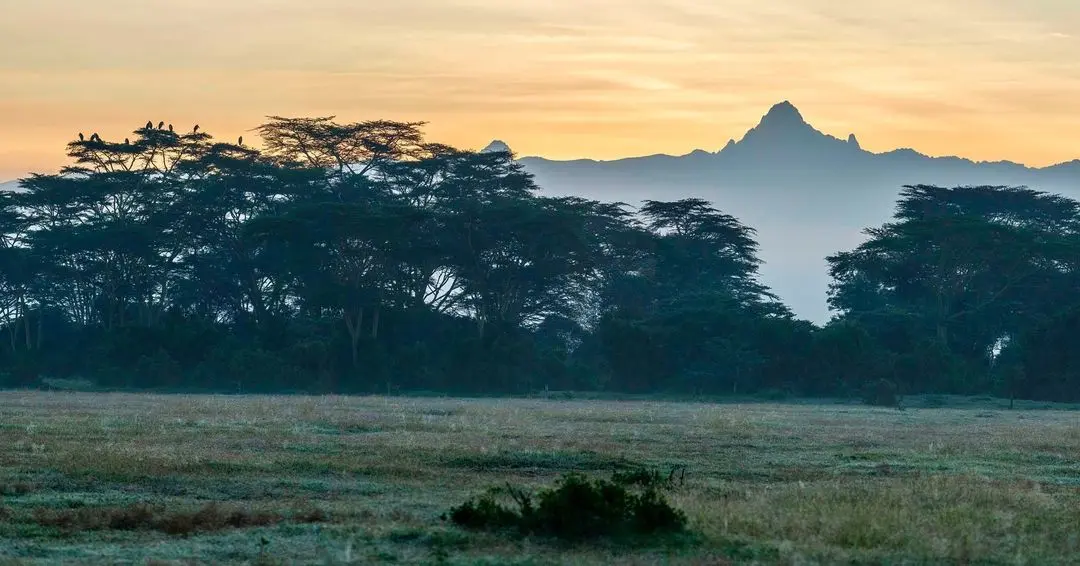
The park's primary mandate was protecting Mount Kenya. This extinct stratovolcano stands as Africa's second-highest peak.
The park boundary primarily follows the 3,350-metre contour line. This line encloses the mountain's core forest, moorland, and peak zones.
The park safeguards the region's biodiversity. It also protects the headwaters of Kenya's two largest rivers, the Tana and the Ewaso Ng'iro North.
UNESCO World Heritage Site Designation
Mount Kenya National Park received UNESCO World Heritage Site inscription in 1997. This recognised its outstanding universal value.
The designation highlights its dramatic landscapes. It also notes its role as a vital habitat for endemic and threatened species.
The park provides an exemplary representation of ecological processes within an afro-alpine environment. It gained designation as a UNESCO Biosphere Reserve in 1978.
Geographical Context and Elevation Range
The park is situated in central Kenya. It lies approximately 175 kilometres northeast of Nairobi, straddling the equator.
The terrain exhibits a dramatic elevation gradient. It rises from 2,400 metres to the highest peak, Batian, at 5,199 metres (17,058 feet).
This significant vertical range creates a series of distinct ecological zones. Each zone features specific flora and fauna.
Mount Kenya National Park Peaks and Geology
Batian, Nelion, and Lenana Peaks
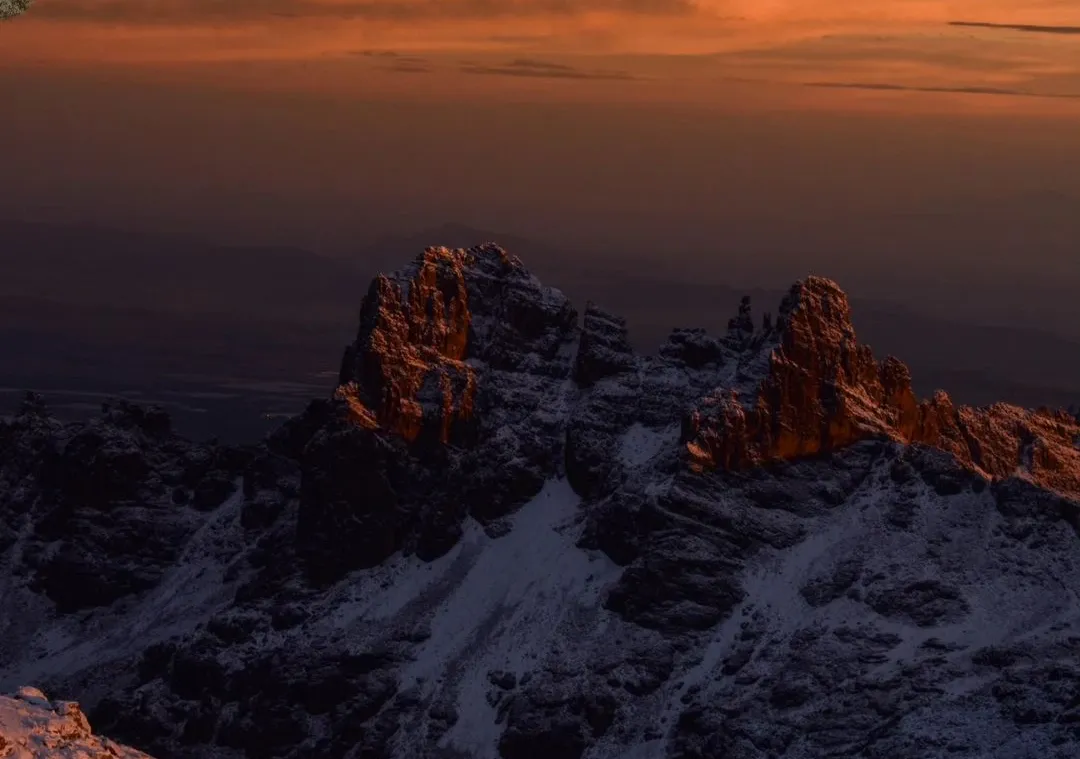
Mount Kenya features three principal peaks. These peaks are eroded remnants of the original volcanic plug.
Batian (5,199 m) stands as the highest point. Nelion (5,188 m) follows closely.
These two peaks present technical climbs. They require specific rock climbing skills and equipment.
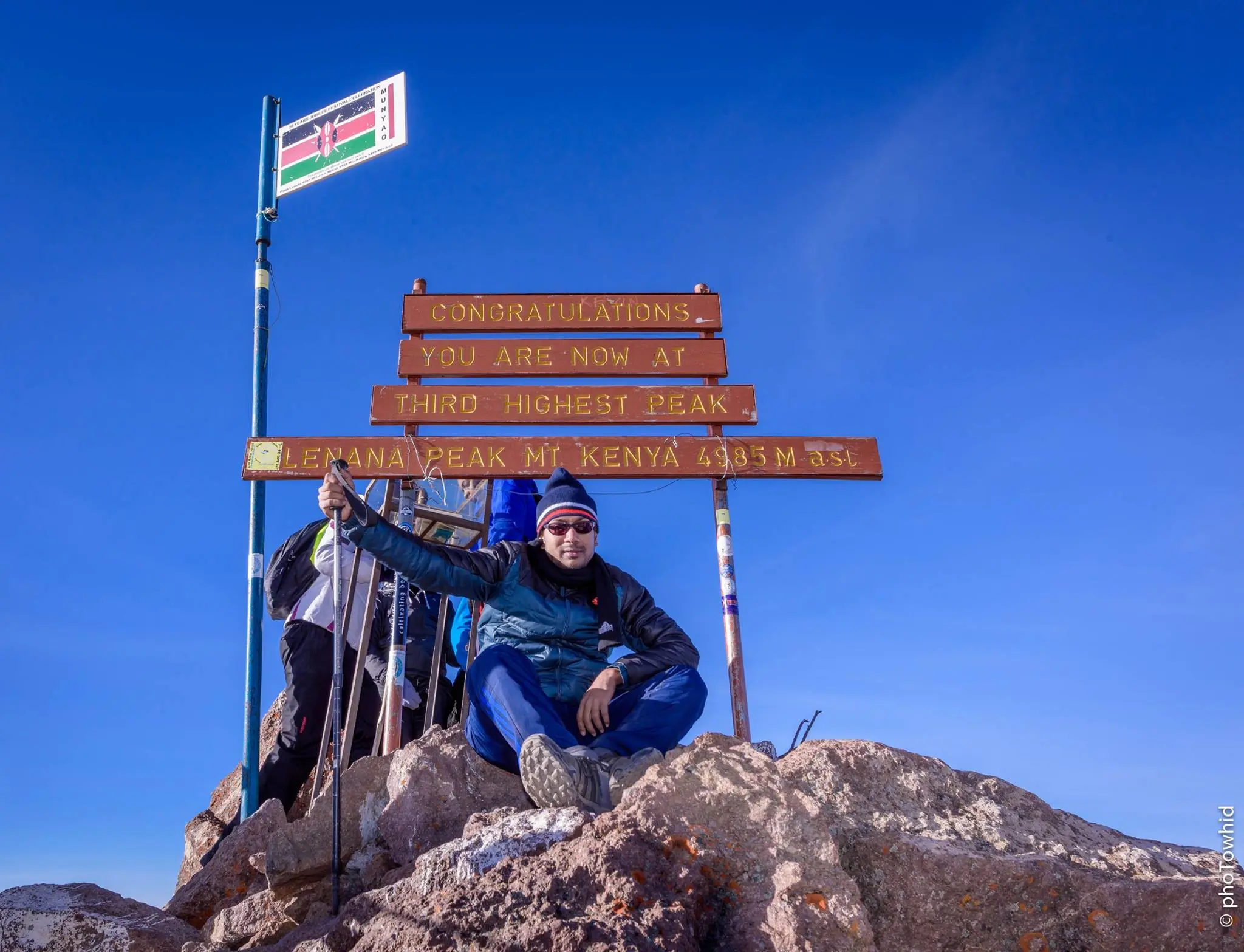
Point Lenana (4,985 m) is the third peak. It serves as the most frequented summit and is accessible to trekkers without technical climbing expertise.
Ancient Volcanic Origins and Formations
The mountain is an extinct volcano. It was active approximately 2.6 to 3.1 million years ago in the Plio-Pleistocene era.
Millennia of erosion, primarily by glaciation, sculpted its current jagged form. It was once a much larger, rounded volcanic cone.
This geological history is evident in the steep cliffs, deep gorges, and radial drainage patterns. These features define the mountain's structure.
Unique Geological Features Including Midget Peak and The Gates
The mountain's topography includes several notable geological formations.
Midget Peak offers challenging secondary climbs. Formations like 'The Gates' provide clear examples of the volcanic and glacial forces that shaped the landscape.
'The Gates' is a dramatic gap between two rock pillars on the Chogoria route. These features contribute to the mountain's complex and varied climbing environment.
Glaciers and Glacial Valleys
Mount Kenya hosts 12 remnant glaciers. These include the Lewis and Tyndall glaciers.
These glaciers are retreating at an accelerated rate due to climate change. This presents a significant concern for the region's hydrology.
The landscape features prominent U-shaped glacial valleys, such as the Gorges Valley and the Teleki Valley. Larger glaciers carved these valleys during past ice ages, and they now serve as primary trekking corridors.
Mount Kenya's Rare Ecosystems
The park's altitudinal zonation creates a series of distinct ecosystems. Each ecosystem features characteristic vegetation and wildlife adapted to specific environmental conditions.
Lower Montane Forests and Biodiversity
From approximately 2,000 to 2,500 metres, dense montane forest covers the slopes.
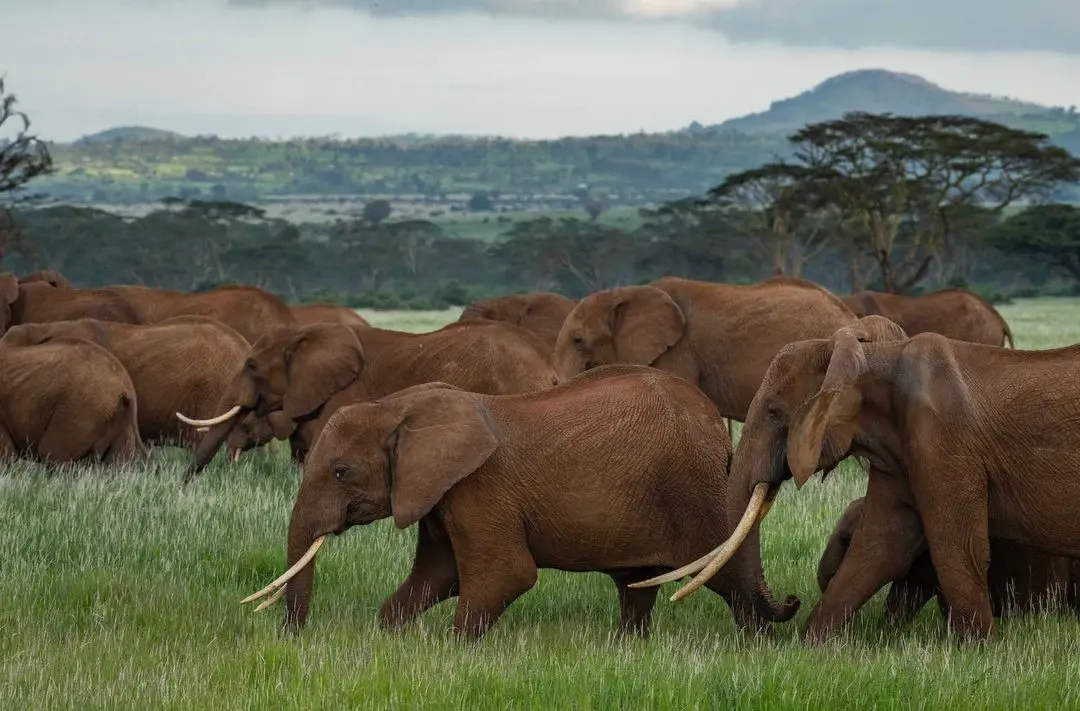
This zone thrives with biodiversity. It provides habitat for large mammals, including African elephants, Cape buffaloes, and leopards.
Various antelope species like bushbucks and duikers are also present. Primate species, such as the black-and-white colobus monkey and Sykes' monkey, are common.
Bamboo Belt and Upper Montane Forests
Above the montane forest, between 2,500 and 3,000 metres, lies a dense bamboo belt (Yushania alpina).
This zone transitions into the upper montane forest. Hagenia and Hypericum trees characterise this area.
This belt acts as a critical habitat. It also serves as a migratory corridor for many of the park's larger mammals.
Heathlands and Moorlands (Afro-Alpine Zone)
Beyond the tree line at approximately 3,200 metres, the vegetation changes to heathland and chaparral. Ericaceous species dominate this area.
This transitions into the expansive afro-alpine moorlands. These moorlands are renowned for their unique flora, including giant groundsels (Dendrosenecio) and giant lobelias (Lobelia deckenii).
These plants have adapted to the extreme diurnal temperature fluctuations.
Nival Zone and High-Altitude Flora
The nival zone, found above 4,500 metres, comprises rock, scree, and permanent ice.
Vegetation in this area is scarce. It limits itself to hardy lichens and mosses.
This zone represents one of Africa's most extreme environments. It supports very little life beyond highly adapted microorganisms.
Exploring Mount Kenya National Park Diverse Activities
Bird Watching and Wildlife Viewing
The park serves as a significant destination for ornithologists. It boasts over 130 recorded bird species.
Notable sightings include raptors like the Augur Buzzard and Verreaux's Eagle. Alpine specialists such as the Alpine Chat are also present.
Sunbirds and tinkerbirds are prevalent in the forest zones. Wildlife viewing thrives most productively in the lower forested areas and the Salient.
The Salient is a protected corridor. It allows elephants to migrate.
Forest Walks and Nature Trails
Guided forest walks and nature trails are available at the park's lower elevations. These are particularly accessible near the main gates.
These excursions provide an opportunity to experience the montane forest ecosystem up close. Visitors can learn about the medicinal uses of local plants.
They also observe forest-dwelling wildlife and bird species without undertaking a multi-day trek.
Cultural Interactions with Local Communities
The communities surrounding Mount Kenya, primarily the Kikuyu, Embu, and Meru peoples, hold the mountain in high cultural and spiritual regard.
Organised cultural visits to local villages offer insight into traditional farming practices and folklore. They also highlight the relationship between the communities and the mountain ecosystem.
Scenic Viewpoints and Picnic Sites
The park contains numerous designated viewpoints and picnic sites. These offer commanding views of the peaks and surrounding landscape.
The sites are accessible via the park's road network. They provide opportunities for day visitors to experience the park's environment without extensive trekking.
Mount Kenya Climbing and Trekking
Popular Routes and Summit Attempts
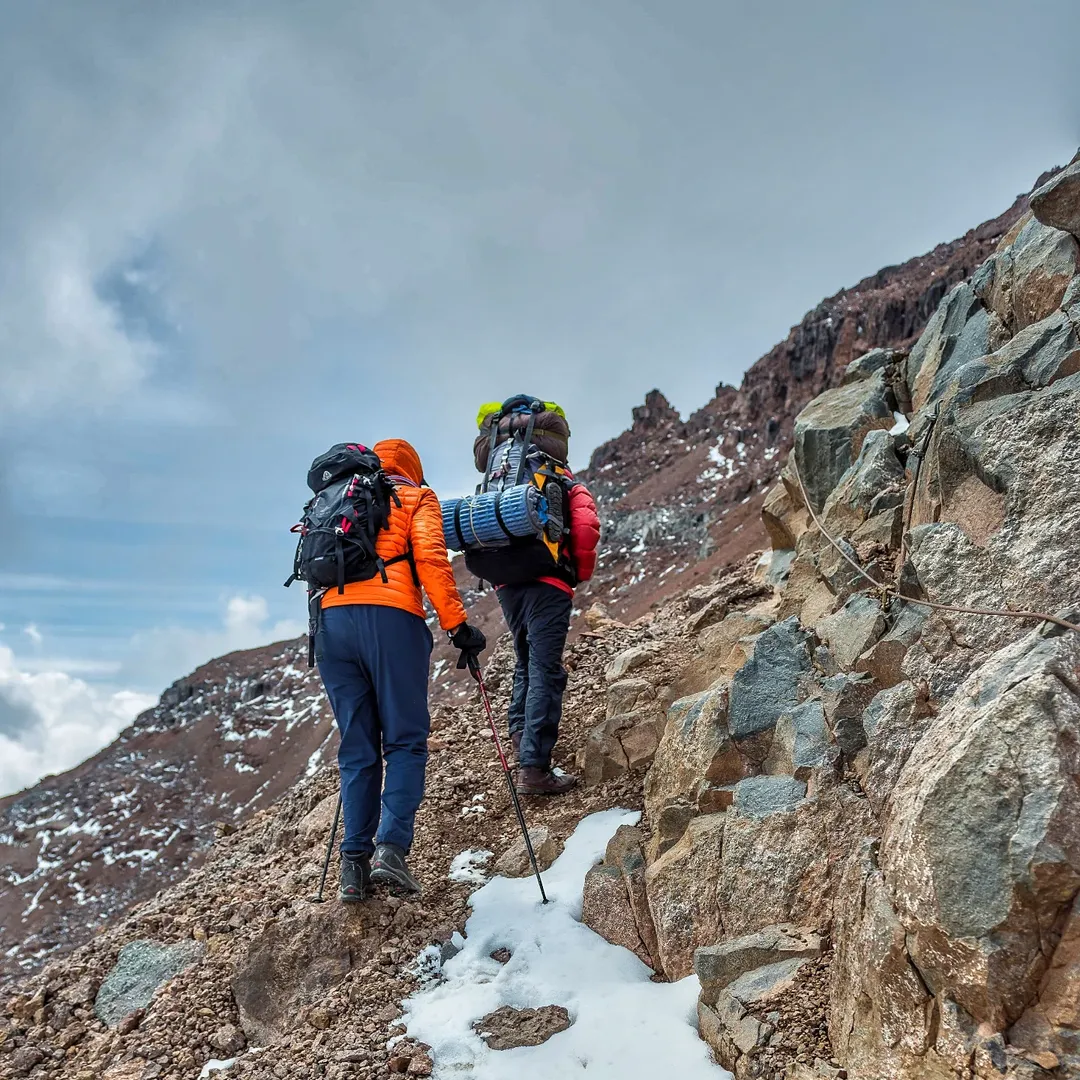
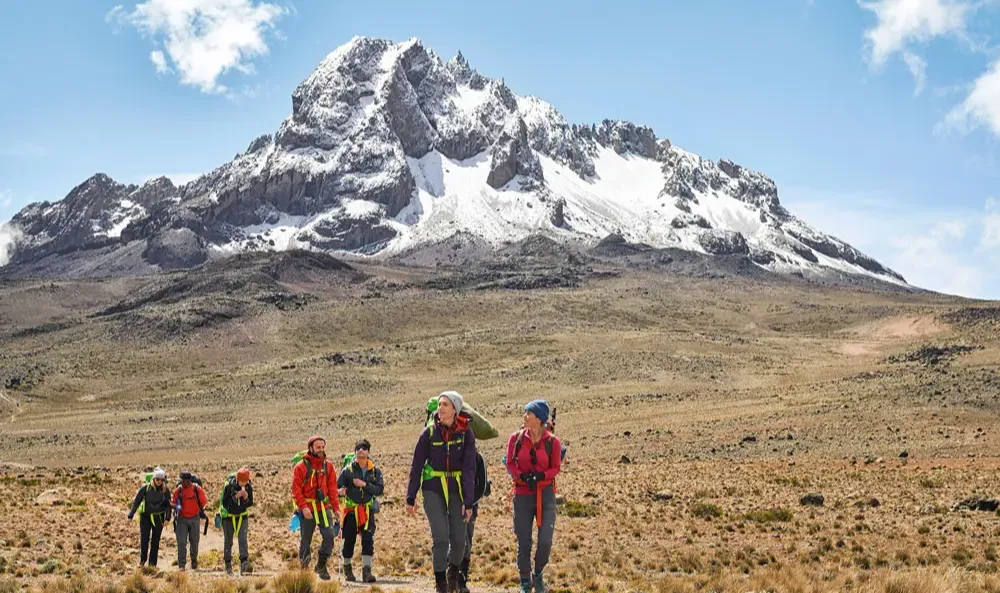
Several established routes facilitate treks to Point Lenana. These routes also allow technical climbs of Batian and Nelion.
The primary routes offer different levels of difficulty, scenery, and acclimatisation profiles.
- Sirimon Route: Starting from the northwest, this route is noted for its steady ascent profile. This is good for acclimatisation, and for its high concentration of wildlife in the lower sections.
- Chogoria Route: This route is considered the most scenic. It traverses the Gorges Valley, passing Lake Ellis and Lake Michaelson. It is often used for descent due to its beauty.
- Naro Moru Route: This route is the shortest and most direct to Point Lenana. It is also the steepest and includes a challenging section known as the "Vertical Bog".
Planning Your Ascent and Permits
All treks and climbs within Mount Kenya National Park require permits. The Kenya Wildlife Service (KWS) issues these permits.
Accredited guides must accompany treks. The use of porters is standard practice.
It is essential to book expeditions through a reputable local operator. This ensures compliance with park regulations and safety protocols.
Essential Gear and Safety Guidelines
Appropriate gear is critical for a safe ascent. This includes layered thermal clothing, waterproof outer layers, sturdy hiking boots, and sun protection.
Technical climbs require a full rack of climbing equipment. Trekkers must adhere to safety guidelines.
Guidelines include maintaining a slow pace ("pole pole") and staying hydrated. Trekkers must also be aware of acute mountain sickness (AMS) symptoms.
Acclimatisation Strategies
Proper acclimatisation stands as the most critical factor for a successful summit attempt.
Itineraries should include at least one extra day for acclimatisation. This often takes place at Shipton's Camp or Mackinder's Camp (around 4,200 m).
The principle of "climb high, sleep low" is employed. This allows the body to adapt to the reduced oxygen levels at altitude.
Conservation Efforts at Mount Kenya
KWS Management and Initiatives
The Kenya Wildlife Service is the primary authority. It holds responsibility for the park's management and conservation.
KWS rangers conduct patrols and manage park infrastructure. They also enforce regulations to protect the fragile ecosystems and resident wildlife populations from illegal activities.
Anti-Poaching and Reforestation Projects
Active anti-poaching units operate within the park. They combat illegal logging, charcoal production, and wildlife poaching.
In partnership with organisations like the Mount Kenya Trust, extensive reforestation projects are underway. These projects in the forest reserve bordering the park aim to restore degraded areas and expand the habitat buffer zone.
Community Involvement Programs
Conservation success links directly to the involvement of local communities.
Programs provide local people with alternative livelihoods. These include beekeeping and sustainable agriculture, reducing reliance on forest resources.
A portion of park revenue is also directed towards community development projects.
Climate Change Impact and Adaptations
Climate change stands as the most significant long-term threat to the park. The rapid retreat of its glaciers provides clear evidence.
Conservation efforts increasingly focus on monitoring these changes. They also implement adaptation strategies to protect the mountain's water catchment function.
This function remains vital for millions of Kenyans.
Visiting Mount Kenya National Park Logistics and Planning
Getting There Access Routes
The park is accessible from several towns at its base. Nanyuki (for the Sirimon Route), Naro Moru (for the Naro Moru Route), and Chogoria (for the Chogoria Route) are most notable.
These towns are reachable from Nairobi by road. The journey takes 3-4 hours on tarmac highways.
Nanyuki hosts the nearest commercial airstrip. Scheduled flights operate from Nairobi's Wilson Airport.
Entry Requirements Electronic Travel Authorisation (eTA)
International visitors travelling to Kenya require an Electronic Travel Authorisation (eTA).
Applications must be submitted online prior to travel. A recommended processing window of at least 72 hours applies.
The eTA system has replaced the previous visa-on-arrival process.
Accommodation Options Inside and Nearby
Accommodation options range from high-altitude mountain huts within the park. Examples include Shipton's and Mackinder's Camps.
Options also extend to luxury lodges and tented camps on the lower slopes and surrounding private conservancies.
The towns of Nanyuki and Naro Moru offer a variety of hotels and guesthouses. These cater to different budgets.
Mount Kenya National Park 2026 Entry Fees and Costs
2026 KWS Premium Park Rates
Mount Kenya National Park holds KWS Premium Park status. Its entry fees structure supports its conservation mandate.
The fees vary for citizens, residents, and non-residents. They are payable per 24-hour period.
It is essential to verify the most current rates on the official KWS portal before your visit.
| Category | Non-Resident Adult (USD) | Non-Resident Child (USD) | East African Citizen Adult (KES) | East African Citizen Child (KES) |
|---|---|---|---|---|
| Park Entry Fee (per 24 hrs) | $80 | $40 | KES 1,000 | KES 500 |
| Camping Fee (per night) | $50 | $25 | KES 1,000 | KES 500 |
Guided Tour and Porter Costs
The cost of a guided trek varies. This depends on the route, duration, and level of service.
A standard 5-day trek typically includes fees for a guide, a cook, and porters. These are in addition to park entry and camping/hut fees.
Tour operators usually bundle these costs into a package.
Permits and Other Charges
Specific activities may incur extra charges in addition to park entry fees.
Technical climbing of Batian or Nelion requires a special permit.
Vehicle entry fees also apply for those driving into the park.
All payments to KWS must be made via cashless methods. This includes M-Pesa mobile money or credit/debit card at the park gates.