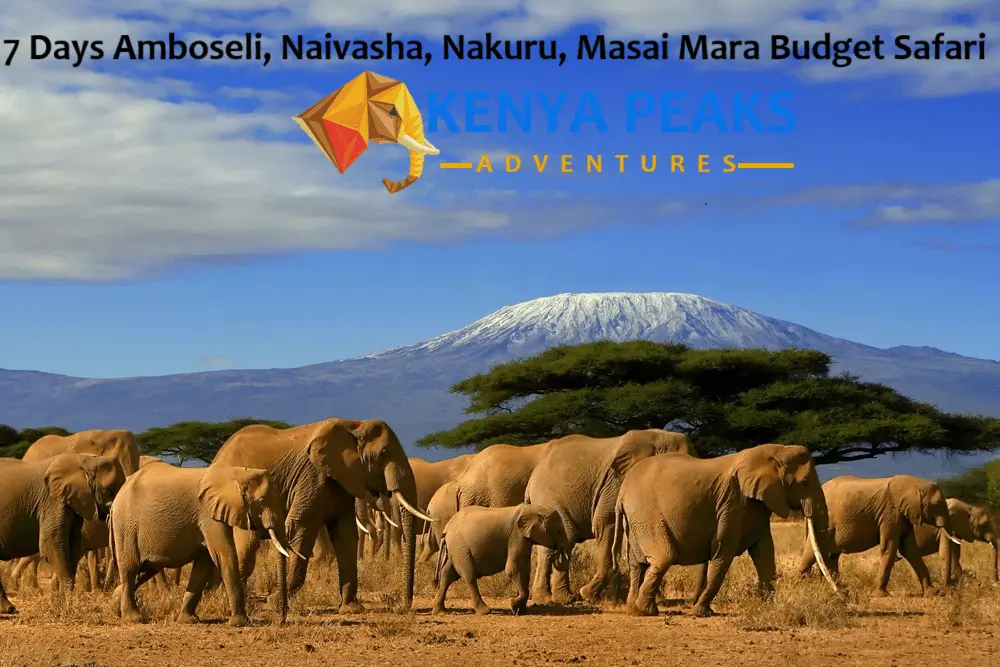
Amboseli National Park is a protected area in Kajiado County, southern Kenya. The park covers 392 square kilometres (151 sq mi) at the core of an 8,000 square kilometre (3,100 sq mi) ecosystem that crosses the Kenya-Tanzania border.
Managed by the Kenya Wildlife Service (KWS), the park is recognised for its high-density population of African bush elephants and its direct, clear views of Mount Kilimanjaro, which stands at 5,895 metres (19,341 ft) in neighbouring Tanzania.
The name "Amboseli" originates from the Maasai word for "salty dust," a reference to the arid conditions of the dry season. The park was gazetted in 1974 and designated a UNESCO Man and the Biosphere Reserve in 1991.
Amboseli National Park is classified as a KWS Premium Park. This designation reflects its international significance, high wildlife density, and advanced tourism infrastructure.
This classification dictates specific entry fee structures and conservation protocols. As a Man and the Biosphere Reserve, it functions as a key site for scientific research, particularly concerning elephant behaviour and ecosystem management in arid lands.
Amboseli's landscape features five distinct habitats. These are sustained by a unique hydrological system.
Underground rivers flowing from Mount Kilimanjaro's ice cap percolate through volcanic rock. These rivers surface in Amboseli as freshwater springs.
These springs support extensive swamps and marshlands. These areas form green oases within an otherwise semi-arid environment.
During periods of heavy rainfall, the dusty plains at the centre of the park flood to form the temporary Lake Amboseli.
For most of the year, this area remains a dry lake bed or pan. It is characterised by saline dust and shimmering heat mirages.
This seasonal transformation influences the movement and concentration of the park's wildlife.
Acacia woodlands, dominated by species such as Acacia tortilis, fringe the swamps and plains. These woodlands provide crucial habitat and sustenance for browsers, most notably the Masai giraffe.
The health of these woodlands is closely monitored due to impacts from both elephant activity and water salinity levels.
A robust and diverse wildlife population thrives within the park. Alongside its famous elephants, key species include Cape buffalo, impala, lion, cheetah, spotted hyena, Masai giraffe, Grant's zebra, and blue wildebeest.
The open plains and concentrated water sources facilitate direct and reliable wildlife viewing, particularly during the dry seasons.
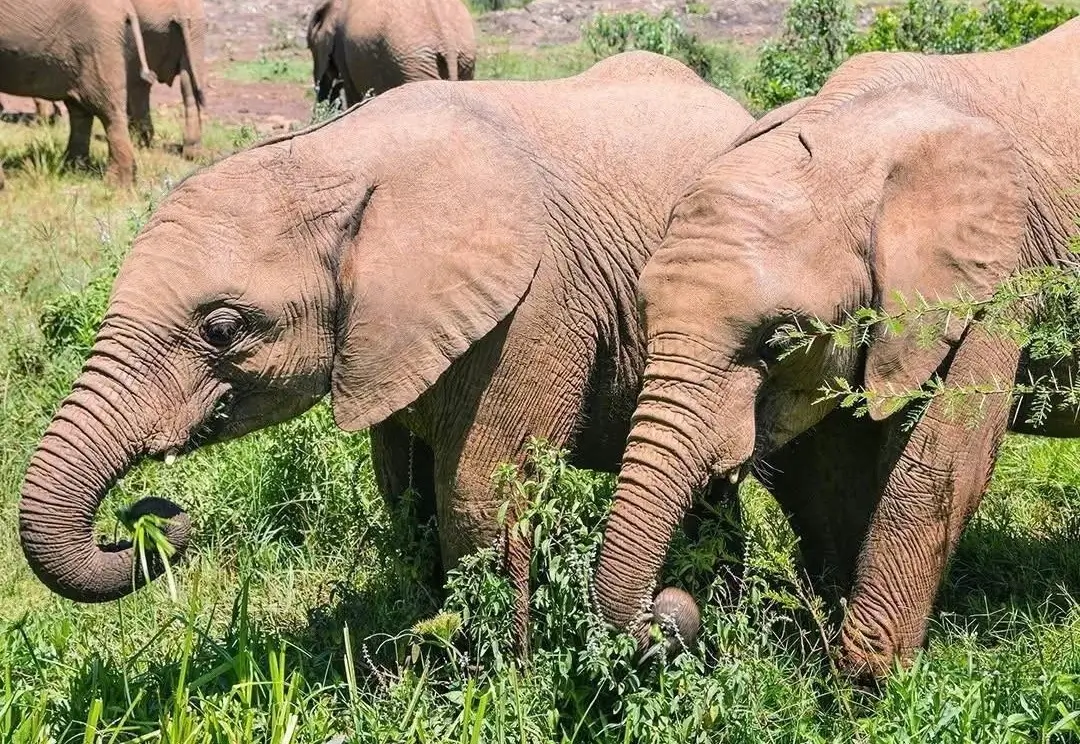
Amboseli functions as a critical sanctuary for African bush elephants, supporting a population exceeding 1,500 individuals. The park is known for its large, mature bull elephants; some individuals are genetically predisposed to develop exceptionally large tusks.
Amboseli is one of the few locations in Africa where 'super tuskers' can still be observed. These elephants possess tusks weighing over 100 lbs (45 kg) each.
The park hosts the Amboseli Elephant Research Project, which is the world's longest-running study of wild elephants. Initiated in 1972, the project monitors the life histories of individual elephants and their families.
This research provides valuable data on elephant social structure, communication, and population dynamics. The data informs conservation strategies across Africa.
The plains dominate the landscape, yet several geological features provide strategic vantage points and areas of interest.
The park's infrastructure is designed to leverage these natural features for optimal wildlife observation and navigation.
Observation Hill is a pyramidal hill of volcanic origin. It stands as one of the few elevated points within the park.
It offers a 360-degree panoramic view of the surrounding plains, swamps, and seasonal Lake Amboseli. Mount Kilimanjaro provides a definitive southern backdrop.
A designated walking trail allows visitors to ascend the hill safely for orientation and photography.
Amboseli National Park experiences a tropical monsoon climate. This climate is defined by distinct wet and dry seasons.
Its location in the rain shadow of Mount Kilimanjaro results in relatively low annual precipitation. Average daytime temperatures range from 28°C (82°F), with night-time temperatures dropping to around 15°C (59°F).
The dry season provides reliable conditions for wildlife viewing. When seasonal water sources evaporate, animals congregate in large numbers around the permanent swamps and springs fed by Kilimanjaro.
The vegetation thins, and the road network becomes firm and easily navigable. The air is typically clear of dust, which provides unobstructed views of Kilimanjaro, especially in the early morning and late afternoon.
The wet seasons transform the park into a verdant landscape. The 'long rains' occur from March to May, and the 'short rains' in November and December.
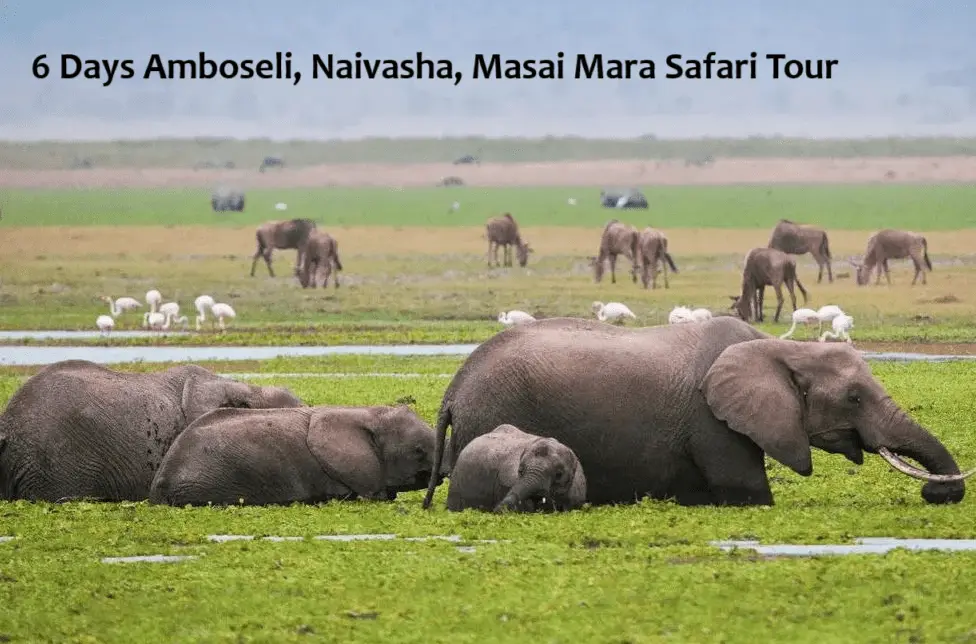
This period is critical for replenishing the ecosystem. The plains turn green, attracting migratory bird species and resulting in the birth of young among many herbivore populations.
Some tracks may become challenging for vehicles during this period. However, this season provides excellent birdwatching and opportunities for dramatic landscape photography.
Amboseli National Park is accessible via road and air. Established routes connect it from Kenya's major transport hubs.
The transport choice depends on budget, time constraints, and itinerary.
The park is accessed through several main gates. Meshanani Gate and Iremito Gate serve as primary entry points from the Nairobi-Mombasa highway.
Kimana Gate provides the main entry point for visitors arriving from Tsavo West National Park or via the town of Loitokitok. All gates operate on a cashless payment system.
The primary road from Nairobi to the park turnoff at Emali consists of tarmac (A109 highway). The connecting C102 road to Iremito Gate and the C103 towards Kimana Gate are graded murram roads.
These roads are regularly maintained. However, conditions can deteriorate during the wet seasons, making a 4x4 vehicle mandatory for safe and reliable access.
The drive from Nairobi typically takes four to five hours.
All foreign nationals visiting Kenya are required to obtain travel authorisation before their journey. The previous visa system has been replaced.
All visitors must now apply online for an Electronic Travel Authorisation (eTA).
An eTA is a mandatory requirement for all non-citizen visitors. Applicants must submit through the official Government of Kenya eTA portal.
The standard processing time is approximately 72 hours. Therefore, application well in advance of the planned travel date is necessary.
The eTA is valid for a single entry.
Upon arrival, visitors present their valid passport and the approved eTA confirmation. Standard immigration and customs procedures are conducted at all international airports and border crossings.
It is advisable to carry a printed or digital copy of the eTA approval throughout the trip.
The following table outlines the mandated Kenya Wildlife Service (KWS) daily park entry fees for Amboseli National Park, effective for 2026. Kenya Wildlife Service (KWS) may change rates.
| Category | High Season (July–March) | Low Season (April–June) |
|---|---|---|
| Non-Resident Adult | USD 100 | USD 80 |
| Non-Resident Child/Student* | USD 35 | USD 20 |
| East African Resident Adult | KES 1,000 | KES 500 |
| East African Resident Child/Student* | KES 500 | KES 200 |
| Kenyan Citizen Adult | KES 1,000 | KES 500 |
| Kenyan Citizen Child/Student* | KES 250 | KES 200 |
*Child rates apply to persons aged 3 to 17 years. Student rates require a valid, current student ID.
Entry to Amboseli National Park is strictly cashless. All payments for park fees must be made electronically at the gate.
Accepted payment methods include M-Pesa (mobile money), Visa, and MasterCard credit/debit cards. Cash is not accepted.
Game drives serve as the primary activity in Amboseli. The park's open topography and high concentration of animals around water sources facilitate excellent wildlife sightings.
Game drives typically occur in the early morning and late afternoon when animals are most active. A 4x4 safari vehicle with a pop-up roof is essential for optimal viewing and photography.
Amboseli provides exceptional photographic opportunities. The combination of wildlife, open plains, and Mount Kilimanjaro creates a powerful photographic composition.
The low-angle light of dawn and dusk is ideal for capturing dramatic silhouettes. It highlights the texture of the landscape and its animal inhabitants.
The dusty plains can be used creatively in photography. Vehicle dust or animal movements create atmospheric shots.