Watamu Marine Park offers direct access to a significant coral reef ecosystem on the East African coast. The park features clear, warm water, allowing for underwater observation of diverse marine life.
Visitors can participate in conservation projects which are recognised internationally. Its protected status makes the area suitable for marine biology study, diving, and snorkelling.
Watamu Marine National Park Overview
Watamu Marine National Park forms part of a larger UNESCO Biosphere Reserve. This protected marine area is located on the Kenyan coast within Kilifi County, approximately 120 kilometres north of Mombasa.
The park was established to protect its coral reef ecosystem. This ecosystem provides a habitat for various fish, corals, and invertebrates. The area supports snorkelling, diving, and marine megafauna observation within a protected environment.
Details of Watamu Marine Park
Geographical Area and Protection Zones
Watamu Marine National Park, the core protected area, covers 10 square kilometres. The park is surrounded by the larger Watamu Marine National Reserve, which covers 32 square kilometres.
This two-tiered protection safeguards the immediate coral gardens and the wider marine habitats. These habitats include seagrass beds and the adjacent Mida Creek mangrove system.
Park History and Community Involvement
Watamu became one of Kenya’s first marine national parks in 1968. The park's establishment represented an early marine conservation effort in East Africa. The park was created to prevent reef degradation caused by overfishing and coral harvesting.
This action preserved the ecosystem for scientific research and sustainable tourism. The local Bajuni and Giriama communities have historical ties to the Indian Ocean, and their history links with this area.
Swahili Heritage and Local Practices
Swahili culture is prominent in the Watamu region. This heritage appears in local architecture, cuisine, and maritime practices.
Traditional dhow sailing and fishing techniques are practised in the surrounding reserve. These practices are restricted within the park's no-take zones. This cultural context informs the modern conservation efforts within the area.
Marine Ecosystems within Watamu Marine Park
Coral Reef Structures
The park features an extensive fringing reef. This reef runs parallel to the coastline. The reef structure forms a calm lagoon, suitable for coral growth and accessible for snorkelling.
The ecosystem contains over 150 species of hard and soft corals. These corals form complex structures, providing nurseries and feeding grounds for reef fish. Notable coral formations include large mounds of Porites coral and Acropora gardens.
Mida Creek Mangrove System
Mida Creek, a 32-square-kilometre tidal inlet, is adjacent to the marine park. Extensive mangrove forests dominate this area. Prevalent species include Rhizophora mucronata and Ceriops tagal.
Their root systems provide protection against coastal erosion and serve as a nursery for fish and crustacean species. The creek is an Important Bird Area (IBA). It supports a population of migratory water birds, including the Crab-plover and the Terek Sandpiper.
Fish Species Present
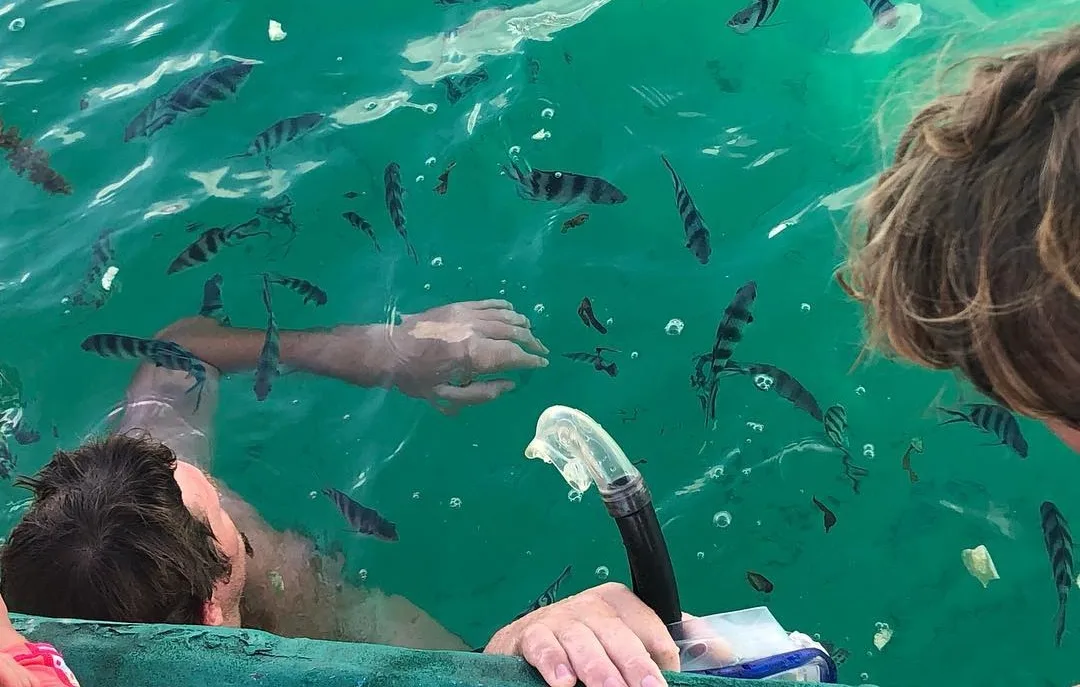
Watamu's protected waters support over 600 documented fish species. Parrotfish, damselfish, angelfish, and surgeonfish populate the coral gardens.
The outer reef and deeper channels provide habitat for larger species such as grouper, snapper, and barracuda. The park's no-take zone status allows fish populations to thrive. This results in a higher biomass and diversity compared to unprotected coastal areas.
Sea Turtle Habitats
Watamu serves as a nesting and foraging ground for Green, Hawksbill, and occasional Olive Ridley sea turtles. Beaches within the park are monitored for nesting activity. Nesting occurs throughout the year. The seagrass beds inside the lagoon are a feeding area for Green turtles. Snorkellers and divers frequently observe these turtles there.
Rare Marine Life
Beyond its common inhabitants, the park supports rarer marine life. The critically endangered Giant Guitarfish appears occasionally in the park's sandy flats and channels.
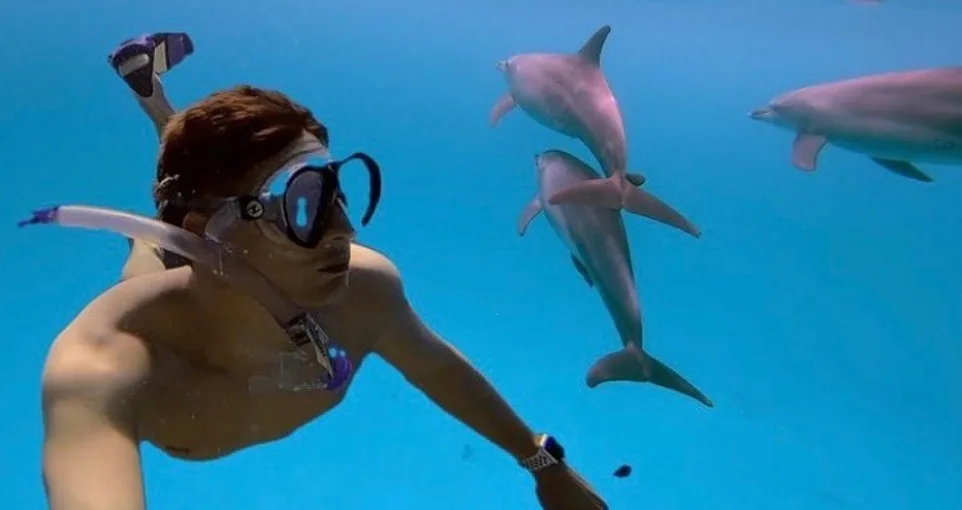
Whale sharks (October to March) and manta rays visit the deeper waters seasonally. Humpback whales are observed offshore during their migration season from June to October. The area is also known for its population of Indo-Pacific bottlenose and the rarer Long-snouted Spinner dolphins.
Activities within Watamu Marine Park
Snorkelling Locations
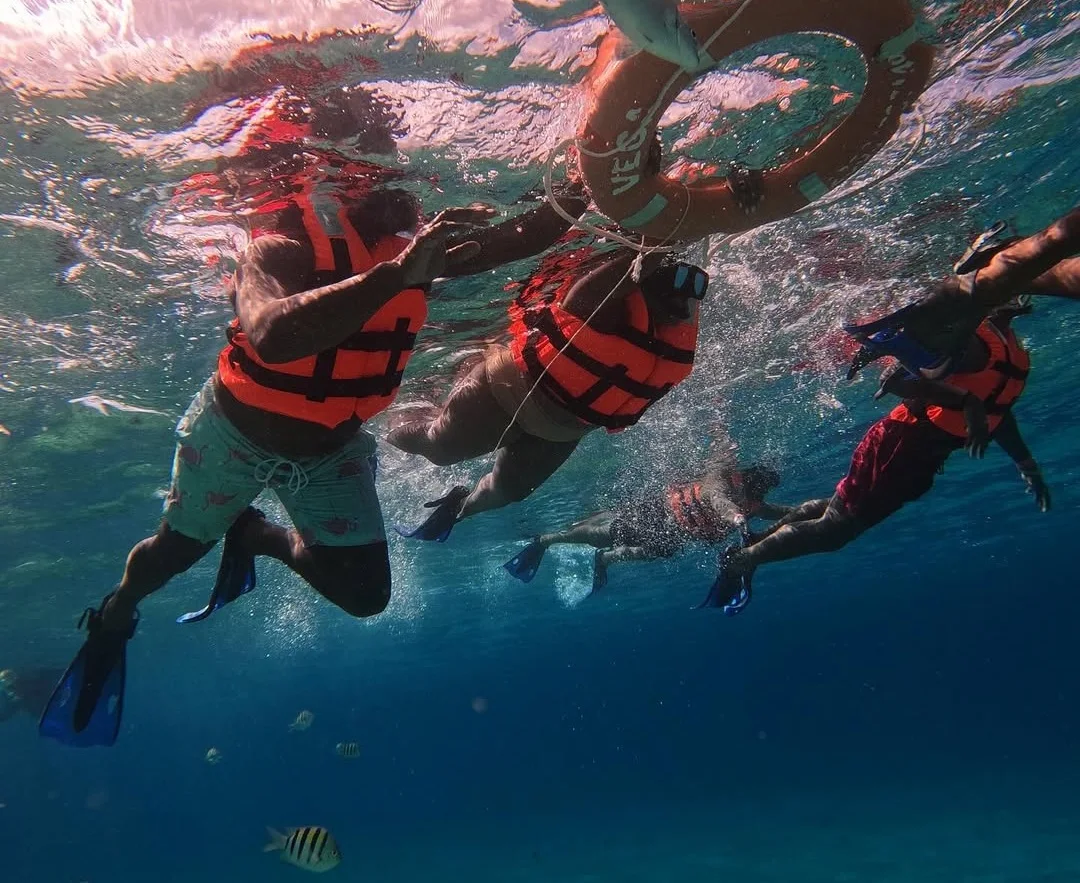
Snorkelling is a popular activity. Operators provide boat access to the main coral gardens. The water inside the main reef is shallow (1-4 metres) and clear. This provides excellent visibility.
The area known as the Coral Gardens inside Turtle Bay is a designated snorkelling zone. This area contains a high density of reef fish and coral heads. All snorkelling activities require a licensed guide to minimise reef impact.
Scuba Diving Locations
Watamu provides several distinct dive sites for certified scuba divers. Turtle Reef is located just outside the main park. This site offers a gentle drift dive, where divers often see turtles and large Napoleon wrasse.
Advanced divers can visit The Larder. This deeper site in the Mida Creek channel attracts large groupers, snappers, and occasional reef sharks. Multiple local PADI-certified dive centres offer equipment rental and guided dives.
Glass-Bottom Boat Tours
Licensed glass-bottom boats offer a direct view of the coral gardens for visitors who prefer to remain dry. Local experts guide these tours, identifying coral species and marine life.
This activity is regulated to prevent reef damage. Operators must adhere to guidelines set by the Kenya Wildlife Service (KWS) and the Watamu Marine Association.
Dolphin and Whale Observations
Boat excursions for dolphin watching are common. These focus on the pods of Indo-Pacific bottlenose and spinner dolphins that frequent the area.
Operators receive training in responsible viewing protocols. This avoids disturbing the animals. During the migratory season (June-October), specialised whale-watching tours observe humpback whales in the deeper offshore waters.
Available Excursions
Two main excursion packages are available for park visitors. Each package accommodates different schedules and interests.
- Half-Day Snorkel & Dolphin Tour: This 4-hour trip focuses on dolphin watching and snorkelling in the main coral gardens.
- Full-Day Tour with Seafood Lunch: This 8-hour experience includes extended time for snorkelling and dolphin watching, a seafood lunch on a local island, and an overview of the Mida Creek ecosystem.
Conservation Efforts for Watamu Marine Park
Watamu Turtle Watch Activities
Watamu Turtle Watch, a Local Ocean Conservation organisation project, functions as a conservation body in the area. Its work protects nesting sea turtles through nest monitoring and anti-poaching patrols.
The organisation also operates a rehabilitation centre for sick and injured sea turtles. This facility provides education for visitors and the local community.
Watamu Marine Association's Role
The Watamu Marine Association (WMA) is an umbrella organisation. It comprises local tourism operators, community groups, and conservation entities. The WMA promotes responsible tourism. It sets operational standards for boat tours, manages a community-led waste recycling programme, and conducts reef clean-up events. The WMA ensures tourism revenue contributes directly to conservation and community development.
Ongoing Research and Conservation Outcomes
The park conducts ongoing marine research. This research monitors coral health, fish populations, and climate change impacts.
Fish stocks within the no-take zones have recovered. This demonstrates the effectiveness of marine protected areas. Data collected here informs national conservation policies. The Kenya Wildlife Service and the Wildlife Conservation Society (WCS) manage these policies.
Community Involvement in Conservation
Local community groups participate actively in the co-management of the park and its resources. This includes participation in KWS-led patrols, mangrove reforestation projects in Mida Creek, and the development of alternative livelihoods. These alternative livelihoods reduce pressure on marine resources. This community-centric approach underpins the park's long-term sustainability.
Information for Visiting Watamu Marine Park
Accessing Watamu Marine Park
Road access to the park is available from Mombasa (120 kilometres) or Malindi (20 kilometres). Malindi International Airport (MYD) serves the area.
It is approximately a 30-minute drive from the main park entrance. Visitors can arrange airport transfers via hotel shuttles or local taxi services.
Kenya Electronic Travel Authorisation (eTA) Requirements
All international visitors to Kenya must obtain an Electronic Travel Authorisation (eTA) before their journey. Applicants must submit the application online through the official government portal.
Applying at least 72 hours before travel is recommended. The eTA has replaced the previous visa system for all nationalities.
Recommended Travel Period
The period from October to April is suitable for marine activities. During these months, the Kaskazi monsoon brings calmer sea conditions and good water visibility, typically exceeding 20 metres.
This timeframe coincides with the presence of whale sharks and manta rays. The Kusi monsoon governs the period from June to September. This period features rougher seas and reduced visibility.
Park Regulations and Visitor Safety
The Kenya Wildlife Service manages the park. Regulations prohibit collecting shells or coral, any fishing activity, and anchoring on the reef. Visitors must use designated entry points.
A licensed guide must accompany visitors for all in-water activities. Visitors must use reef-safe sunscreen. This prevents chemical damage to the coral ecosystem.
Watamu Marine Park Entry Fees 2026
The Kenya Wildlife Service (KWS) mandates entry fees. These fees are structured based on citizenship and residency status. Watamu is classified as a Premium Park. The table below outlines the 2026 per-person, per-24-hour rates.
Here is the reformatted table for the 2026 Premium Park Rate:
| Visitor Group |
Sub-Category |
2026 Premium Fee |
| Non-Resident |
Adult |
USD 25 |
| Non-Resident |
Child / Student |
USD 15 |
| East African Resident |
Adult |
KES 400 |
| East African Resident |
Child / Student |
KES 250 |
| Kenya Citizen |
Adult |
KES 300 |
| Kenya Citizen |
Child / Student |
KES 200 |
Additional Activity Charges
The KWS levies charges for specific activities, in addition to the standard park entry fee. Visitors can pay these fees directly to KWS or through licensed boat operators. For example, scuba diving incurs an additional daily fee of USD 15 for non-residents. All fees are subject to change. Visitors should confirm rates before visiting.
Accommodation and Dining in Watamu
Accommodation Options
Watamu provides a range of accommodation. Options include luxury beachfront resorts, such as Hemingways Watamu, private villas, and budget-friendly guesthouses.
Many establishments are located along Turtle Bay Road. This provides direct beach access and views of the marine park. Booking accommodation in advance is advisable, especially during the peak season from December to March.
Local Dining
Local cuisine in Watamu draws influence from Swahili traditions and fresh seafood availability. This forms a key part of the Watamu visit.
Restaurants and hotels serve locally sourced fish, prawns, crab, and lobster. Traditional dishes such as coconut fish curry and pilau rice are widely available. Visitors can arrange a meal at a local restaurant in Mida Creek for a local dining experience.
Sustainable Tourism Practices
Visitors are encouraged to support sustainable tourism. This involves choosing eco-certified accommodations and tour operators. Many local businesses belong to the Watamu Marine Association.
They contribute to community and conservation funds. Opting for services that adhere to environmental best practices helps preserve the unique marine ecosystem long-term.