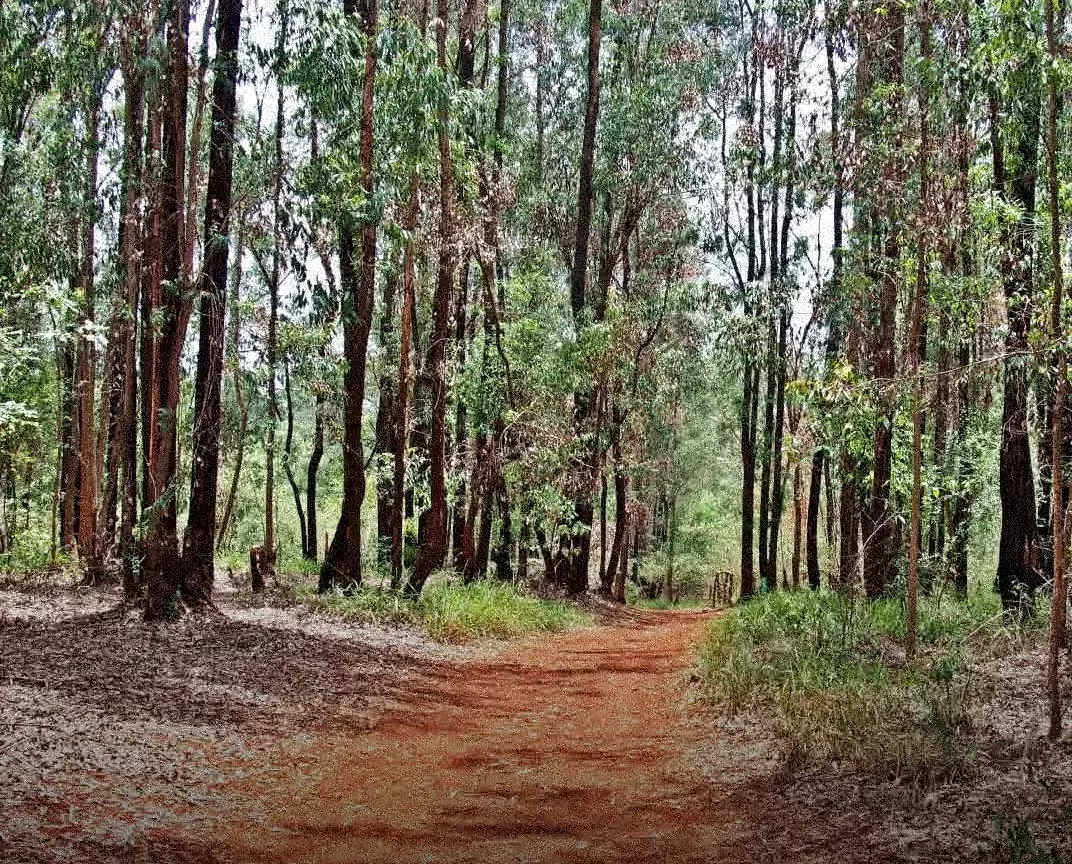
Karura Forest, a substantial urban forest reserve, sits on Nairobi's northern edge. This area functions as a critical ecosystem for the city, serving as a primary water catchment and mitigating urban pollution.
The reserve spans 1,041 hectares (2,570 acres) and received official gazettement in 1932. Management occurs through a joint partnership between the Kenya Forest Service (KFS) and the Friends of Karura Forest Community Forest Association, creating a secure, accessible environment for recreation and conservation education.
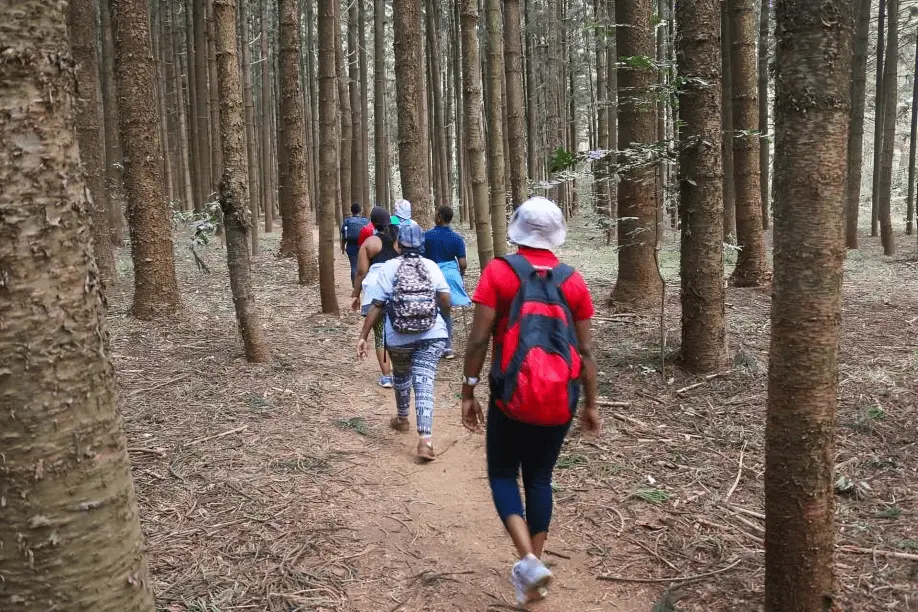
The Ecology of Karura Forest
Karura Forest's ecological profile features diverse flora and fauna, thriving within its protected urban boundaries. The forest stands as a remnant of the indigenous upland forest that previously covered the Nairobi area, now supplemented by plantation species.
Its varied habitats support many wildlife and plant species, establishing it as a key site for urban biodiversity.
Identifying Key Tree Species in Karura Forest
The forest canopy combines exotic and indigenous trees. Introduced species, primarily Eucalyptus varieties, were planted for timber production historically. Current conservation efforts promote indigenous upland forest species, which constitute 36% of the tree population.
Visitors can identify key native species such as the African Olive (Olea europaea subsp. cuspidata), Croton megalocarpus, the East African Greenheart (Warburgia ugandensis), Vepris oraria, and Brachylaena huillensis. A dense bamboo grove creates a unique habitat and landscape feature within a notable section of the forest.
Birdlife within Karura Forest
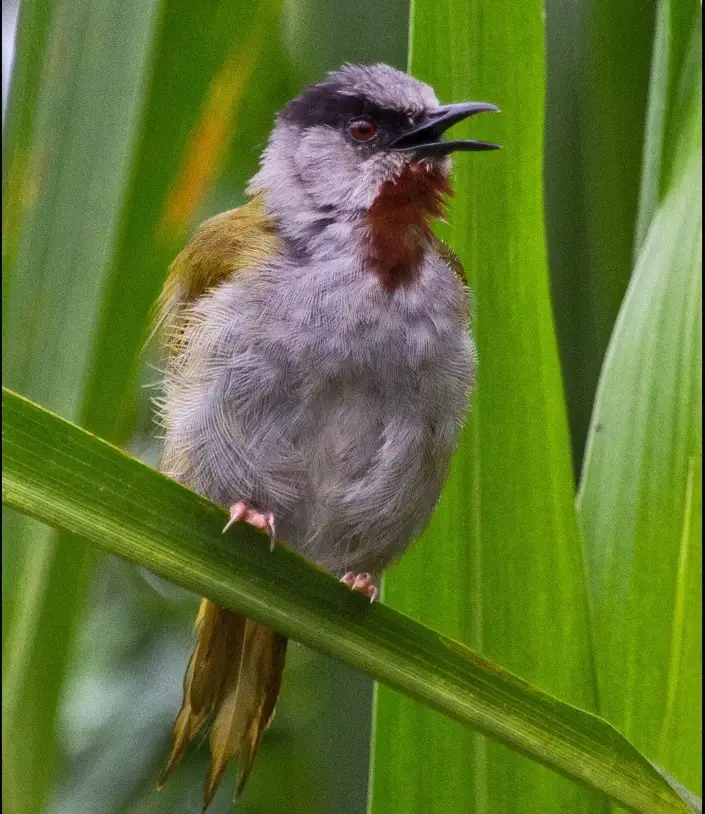
Karura Forest holds designation as an Important Bird Area, hosting over 200 bird species. High avian density offers reliable sightings for enthusiasts.
Commonly spotted species include the Hartlaub’s Turaco, Silvery-cheeked Hornbill, African Crowned Eagle (a nesting pair resides here), and the African Paradise Flycatcher. Marshland and riverine sections of the forest attract various water birds.
Early morning visits prove particularly rewarding for birdwatching, allowing observers to witness diverse species actively feeding.
Observing Wildlife in Karura Forest
The forest offers a sanctuary for various mammal species adapted to an urban-adjacent environment. Quiet observation allows visitors to spot Harvey's Duikers, Bushbucks, Bush Pigs, and Suni Antelopes.
Primate species, such as Sykes' monkeys and Colobus monkeys, appear frequently within the canopy. Nocturnal inhabitants include Porcupines, Civets, Genets, and Bush Babies. The forest ecosystem supports a healthy population of butterflies and other insects, which are crucial for pollination.
Recreational Activities in Karura Forest
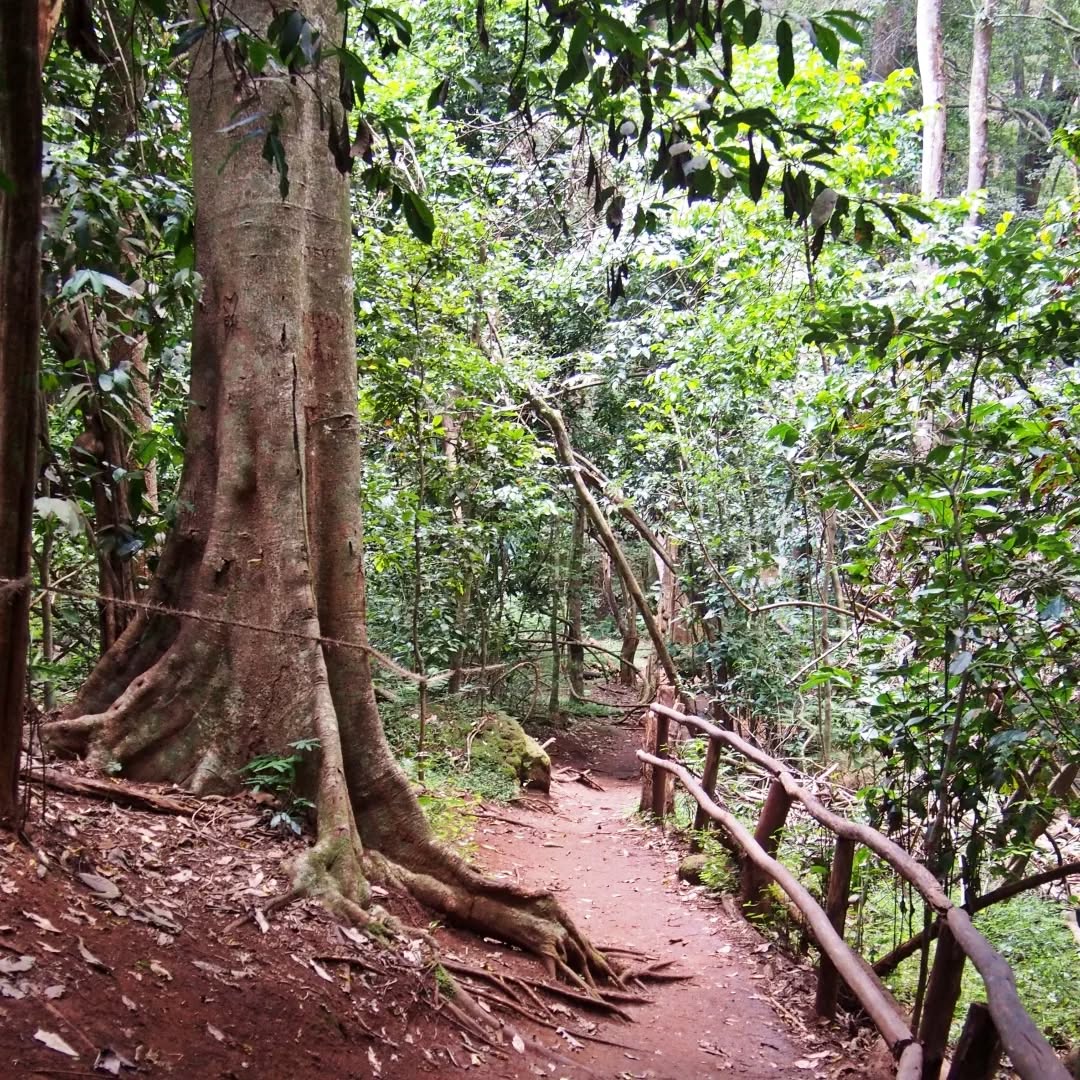
Karura Forest provides a structured environment for recreational and leisure activities. The infrastructure facilitates public access while minimising environmental impact. A well-maintained network of over 50 kilometres of trails allows visitors to safely navigate the forest's various features.
- Walking and Jogging: Designated trails cater to all fitness levels, with routes from 5 km to 15 km. Clear signposting allows for easy navigation, ensuring a smooth walk or jog through diverse forest sections.
- Cycling: Dedicated cycling trails offer varied terrain for riders. Bicycle rentals are available for adults and children near the main entrance gates, providing an opportunity to traverse the forest's extensive paths.
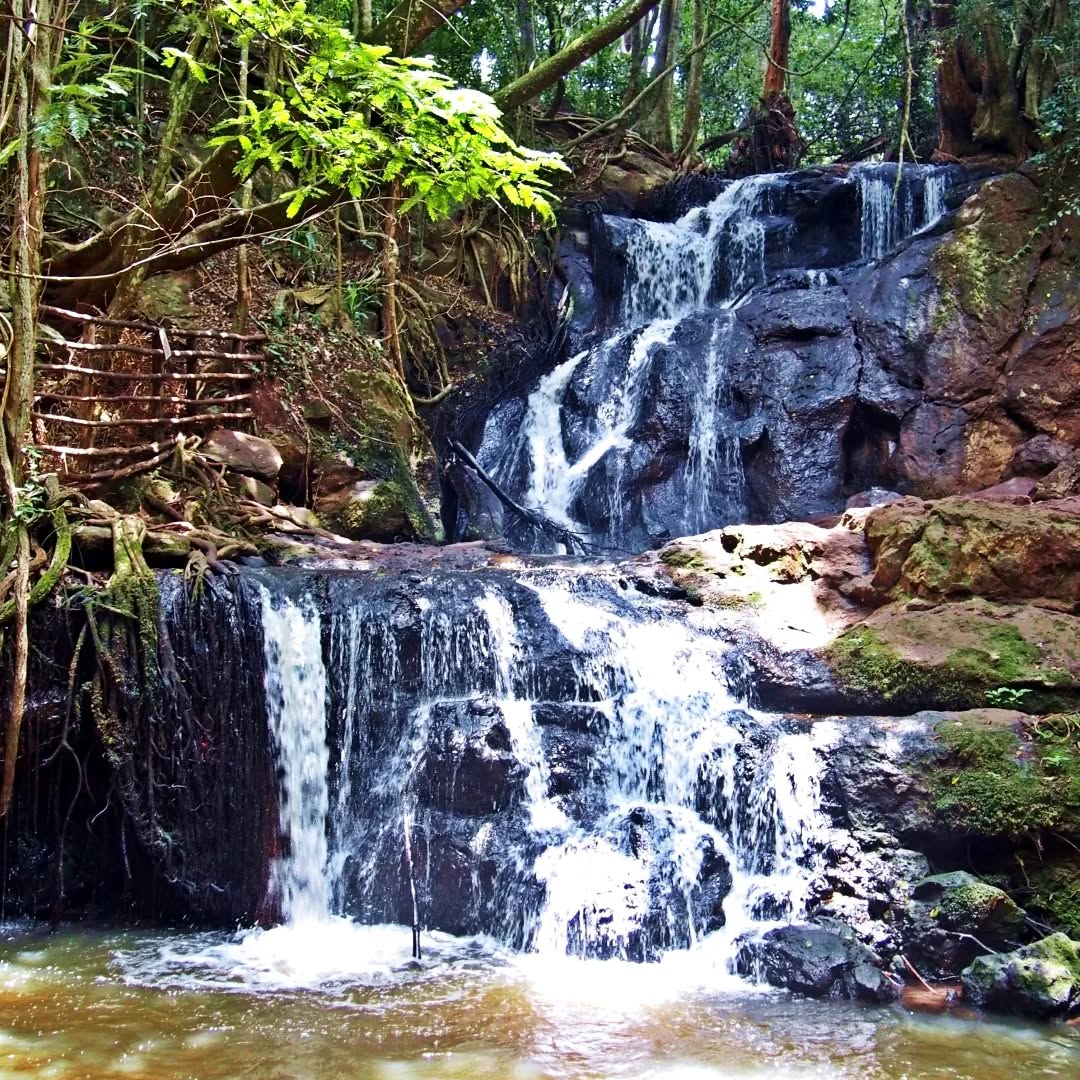
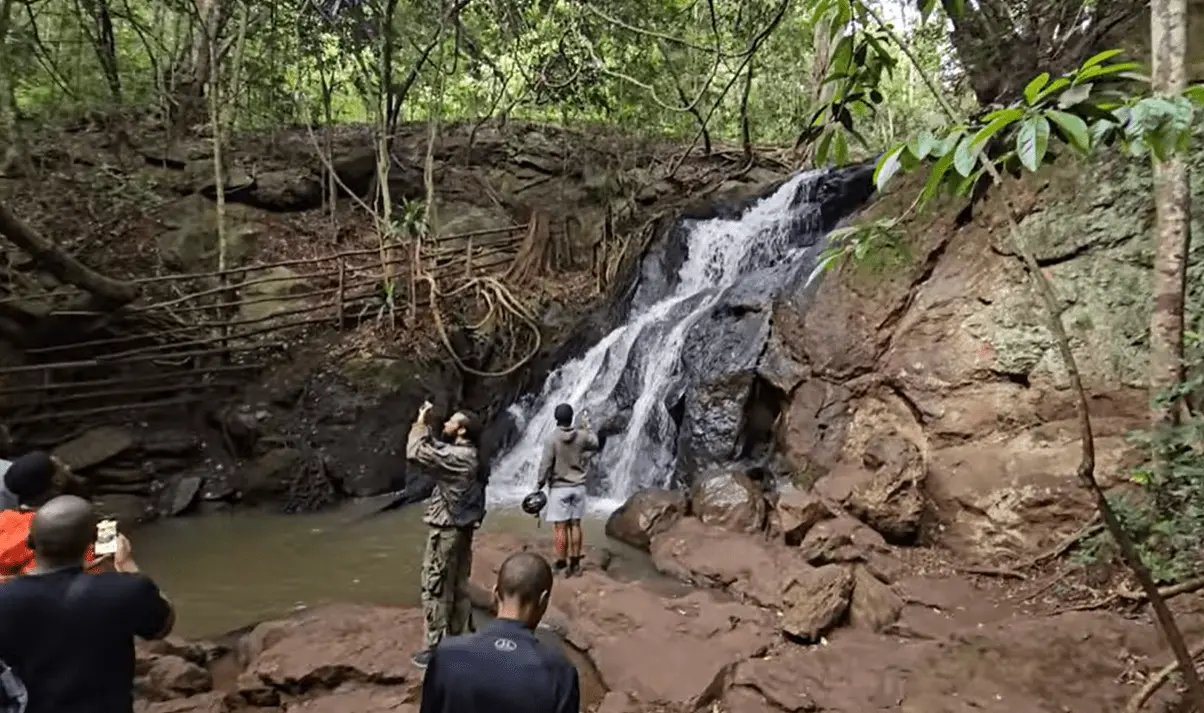
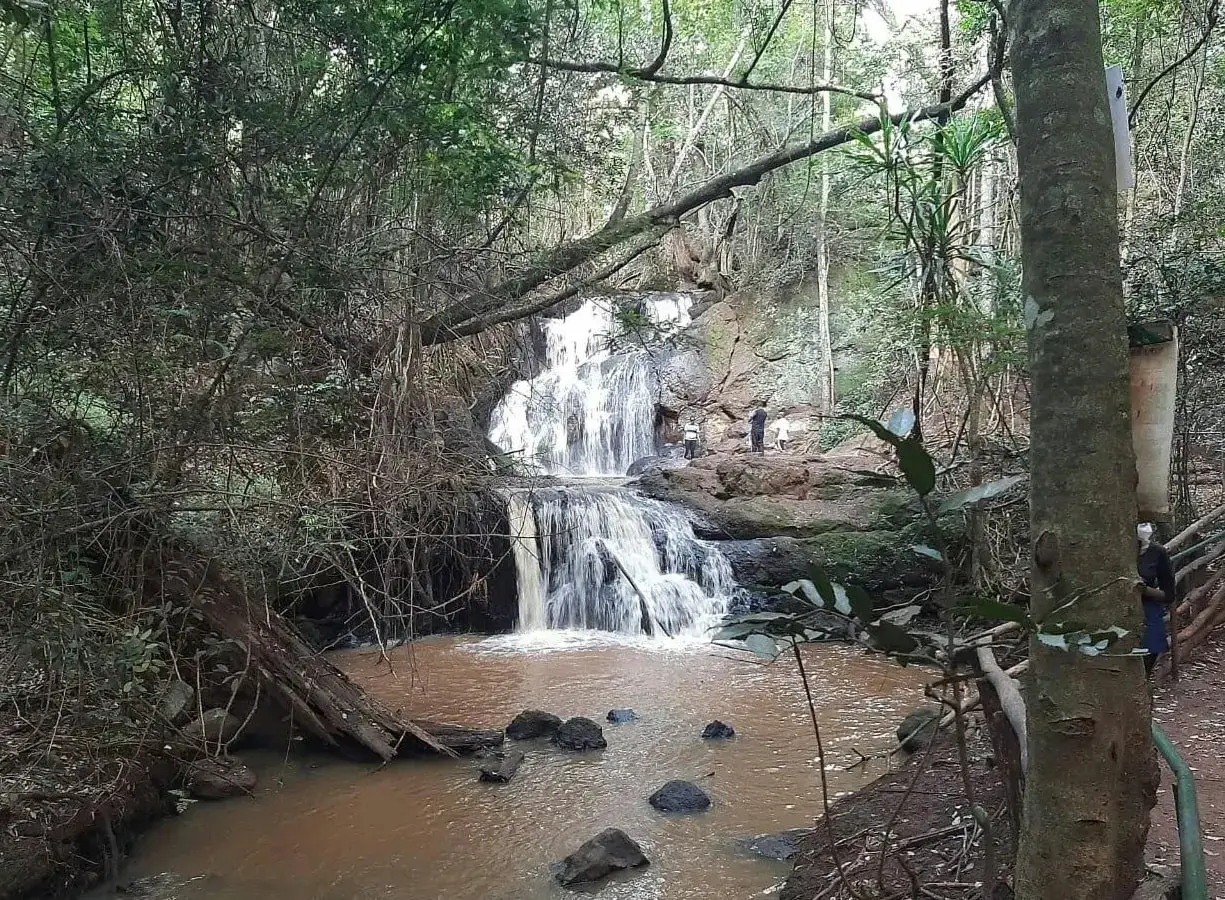
- Geographical Sightseeing: Key natural attractions include a 15-metre waterfall on the Karura River, the smaller Ruaka waterfall, and historic Mau Mau caves. These caves served as hideouts during the Mau Mau Rebellion, offering a glimpse into historical events within the natural setting.
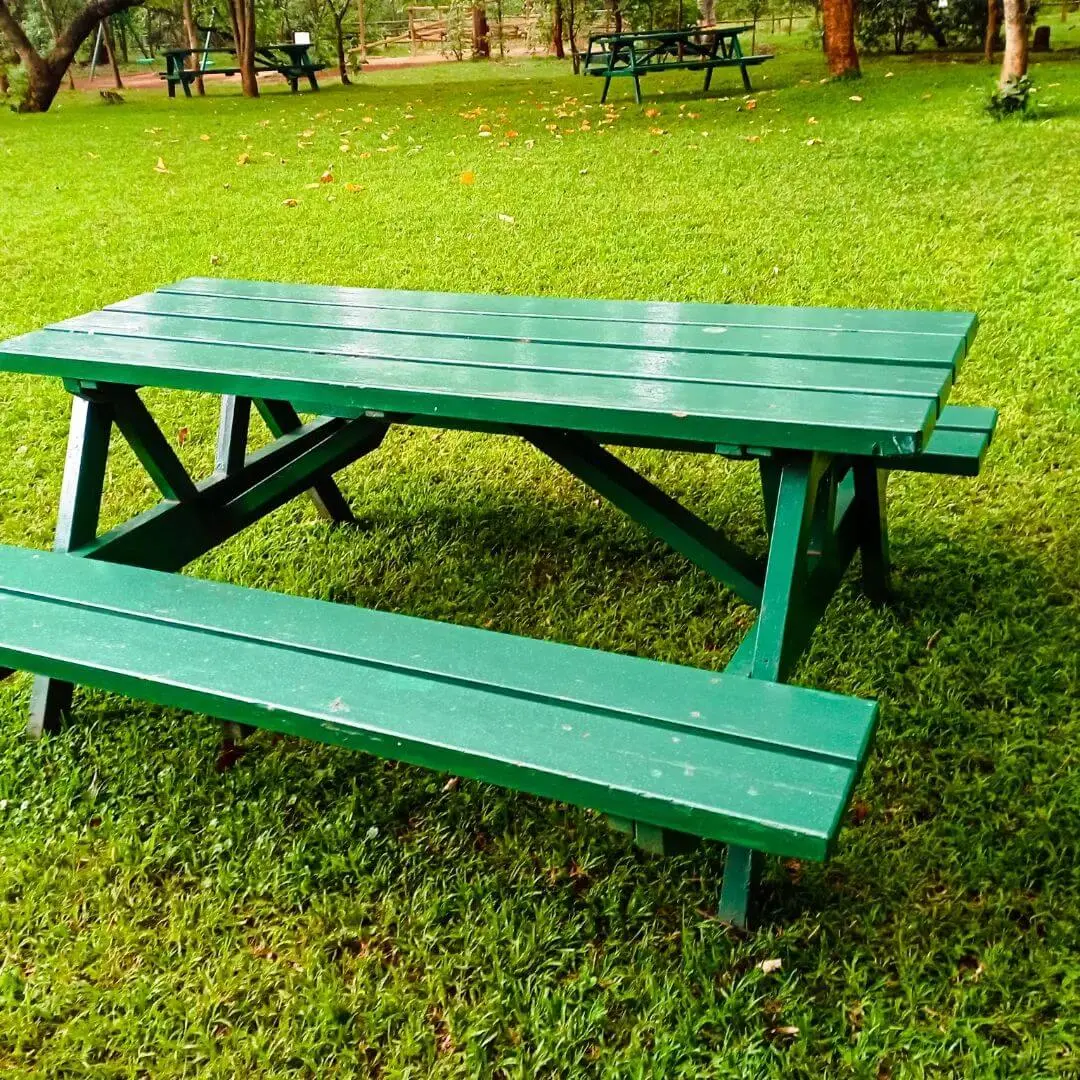
- Picnics: Designated picnic sites offer open spaces for relaxation, allowing visitors to enjoy meals amidst the forest's tranquility. Visitors must remove all waste upon departure, maintaining the forest's pristine condition.
- Tennis: The Karura Forest Tennis Club offers courts for public use. Visitors can book these courts to engage in a game surrounded by the forest environment.

Conservation and Educational Initiatives in Karura Forest
Karura Forest's preservation stands as a landmark case in Kenyan environmental conservation, primarily associated with Nobel Peace Prize laureate Wangari Maathai and the Green Belt Movement.
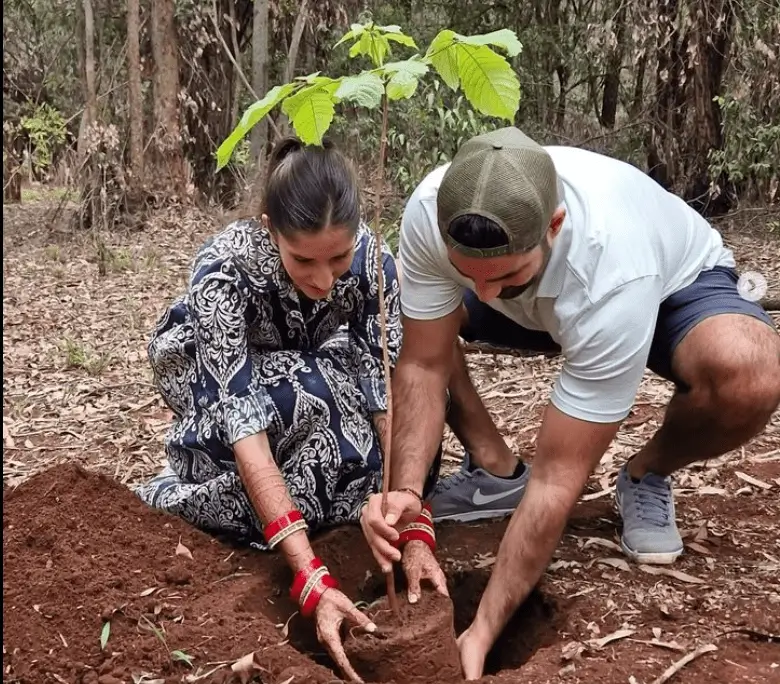
Their activism in the late 20th century protected the forest from illegal land allocation and deforestation. This legacy continues today through formal management structures and community-led initiatives focused on conservation, research, and public education.
Current Research Projects within Karura Forest
The forest serves as a site for various ecological studies. Active research programmes include an annual bird census, monitoring population dynamics, a comprehensive indigenous tree propagation programme, restoring native forest composition, and regular water quality monitoring of the rivers that flow through the reserve.
These projects provide crucial data for the forest's management plan.
Educational Programmes at Karura Forest
The Karura Forest Environmental Education Trust (KFEET) Centre functions as the hub for educational activities. It hosts school groups, corporate workshops, and public exhibitions, focusing on urban ecology, environmental conservation, and the forest's history. Guided eco-tours offer detailed insights into the forest's biodiversity and conservation challenges.
Programmes by the Friends of Karura Forest
The Friends of Karura Forest (FKF), a Community Forest Association, plays a vital role in the day-to-day management and protection of the reserve.
Their programmes encompass trail maintenance, security patrols conducted with KFS rangers, fundraising for conservation projects, and community engagement. These efforts foster a sense of public ownership and responsibility for the forest.
Planning Your Visit to Karura Forest
A visit to Karura Forest requires logistical planning, ensuring compliance with reserve regulations and maximising the experience. The forest is secured by an electric fence and managed entry points, guaranteeing visitor safety and ecosystem integrity.
Accessing Karura Forest
Access to Karura Forest occurs through several official gates. The primary entrance (Gate A) stands on Limuru Road, opposite the Belgian Embassy. Other major access points include Gate C (Shark's Gate) on Kiambu Road and Gate F on Peponi Road. Secure parking is available at all main gates for a fee.
2026 Entry Fees
Entry fees are mandatory for all visitors and tier based on residency status. Payment is cashless, accepted via mobile money (M-Pesa) or card at the gates. All revenue directly contributes to the forest's conservation and maintenance.
| Category | 2026 Entry Fee (KES) |
|---|---|
| Citizen (Adult) | 174 |
| Resident (Adult) | 300 |
| Non-Resident (Adult) | 800 |
| Child / Student | 116 |
| Vehicle Parking (Saloon Car) | 200 |
Additional Permits and Specialised Fees for Karura Forest Activities
Activities beyond standard entry require separate fees and prior arrangement with the management office. These include bike hire, commercial photography and videography, and booking of grounds for private events such as weddings or corporate team-building functions. All such activities must receive approval to align with the forest's conservation objectives.
Accessibility for Visitors at Karura Forest
The main entrance areas, the KFEET Centre, and adjacent picnic sites offer general accessibility for visitors with mobility challenges, including wheelchair users.
Some primary trails are wide and relatively flat. The majority of the forest's extensive trail network consists of unpaved dirt paths with uneven terrain, roots, and inclines, which may not suit all mobility aids.
Optimal Times for a Visit to Karura Forest
The forest operates daily from 06:00 to 18:00, with last entry at 17:00. Early morning visits between 06:00 and 09:00 offer optimal conditions for birdwatching and cooler temperatures.
Weekdays attract significantly fewer crowds than weekends and public holidays. The dry seasons (January–March and June–October) provide the most favourable conditions for walking and cycling, as trails can become muddy during the rainy seasons.
Guidelines for Responsible Tourism in Karura Forest
All visitors must adhere to a strict code of conduct, protecting the forest environment and ensuring a positive experience for everyone. Key regulations include:
- Leave No Trace: Visitors must carry all rubbish out of the forest. No bins are provided within the reserve; this discourages littering and scavenging by wildlife.
- Stay on Marked Trails: Visitors must remain on designated paths to prevent soil erosion and disturbance to vegetation and wildlife.
- Noise Discipline: Visitors should maintain low noise levels, avoiding disturbance to wildlife and other visitors. The use of radios or speakers is prohibited.
- Wildlife Interaction: Visitors should not feed, touch, or disturb any animals. Maintain a safe and respectful distance at all times.
- Prohibited Items: Plastic water bottles, cigarettes, and fires are strictly forbidden within the forest.