Karura Forest operates as a managed urban upland forest, providing critical ecosystem services to Nairobi. As a gazetted forest reserve, it functions as a key recreational, educational, and conservation resource.
Management of the forest is a joint effort between the Kenya Forest Service (KFS) and the Friends of Karura Forest (FKF) Community Forest Association.
Karura Forest Classification and Its Size
Karura Forest is classified as an urban upland forest. Its size makes it a globally significant urban forest.
The forest covers an area of 1,041 hectares (approximately 2,570 acres). It is positioned in the northern part of Nairobi city.
Elevations within the forest range from 1,660 to 1,778 metres above sea level, which fosters a wide array of habitats.
Unique Flora and Ecosystem Highlights of Karura Forest
The forest's ecosystem features a blend of indigenous upland forest vegetation, plantations of exotic species, and regenerated dry upland forest.
Notable indigenous tree species thriving here include Olea europaea subsp. cuspidata (African Olive), Croton megalocarpus, Warburgia ugandensis (Kenyan Greenheart), and Brachylaena huillensis.
This rich biodiversity supports a significant population of birds, small mammals, and insects within the urban environment, offering a glimpse into native wildlife.
Main Recreational Activities at Karura Forest
Karura Forest provides a structured selection of recreational and educational activities. These are managed through a network of marked trails and designated zones.
The activities cater to various levels of physical exertion and interests, offering options from passive recreation to active sports.
Walking and Jogging Trails in Karura Forest
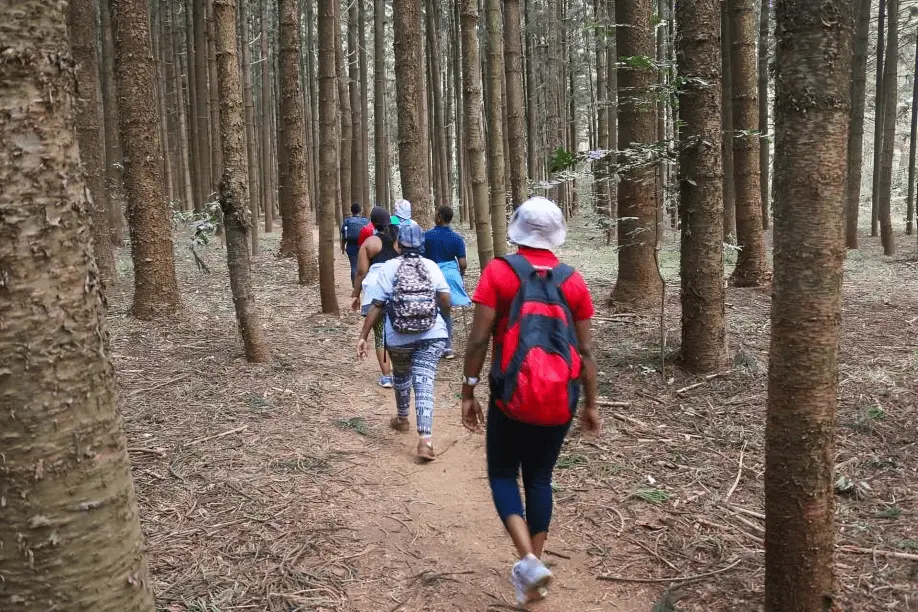
The forest maintains over 50 kilometres of well-prepared and signposted trails. These trails are suitable for walking, jogging, and hiking.
Trails are graded for difficulty and length, ensuring suitable options for all fitness levels.
- Trail Distances: Options range from short 5 km circuits to more extensive 10 km and 15 km loops. Key trails include the Karura River Trail and the Mau Mau Freedom Struggle Trail.
- Trail Difficulty: The terrain is generally moderate, with some sections presenting inclines and descents. The primary trails are wide and suitable for family walks, while secondary trails offer more challenging terrain.
- Operational Times: The trails are accessible during official forest opening hours. For visitor safety, planning to start activities early and exiting before closing time is recommended.
Mountain Biking Activities in Karura Forest
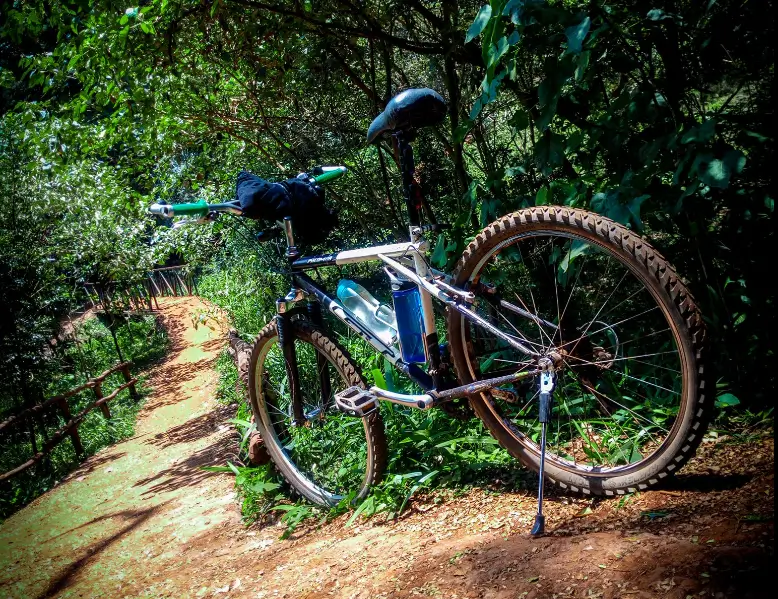
Karura Forest features designated, colour-coded trails for mountain biking. These are separate from the primary walking paths, ensuring visitor safety.
These trails present a mix of terrain, accommodating both novice and experienced cyclists.
- Dedicated Paths: The cycling trails are clearly marked and regularly maintained, providing a safe and structured riding experience.
- Bike Rentals: Bicycles are available for hire at the KFEET Centre near Gate A (Limuru Road) and at Gate C (Kiambu Road). The rental service provides mountain bikes in various sizes, alongside safety helmets.
- Safety Protocols: All cyclists are required to wear a helmet. Remaining on the marked trails is mandatory. This practice prevents ecological damage and ensures personal safety.
Exploring the Karura Forest Waterfall
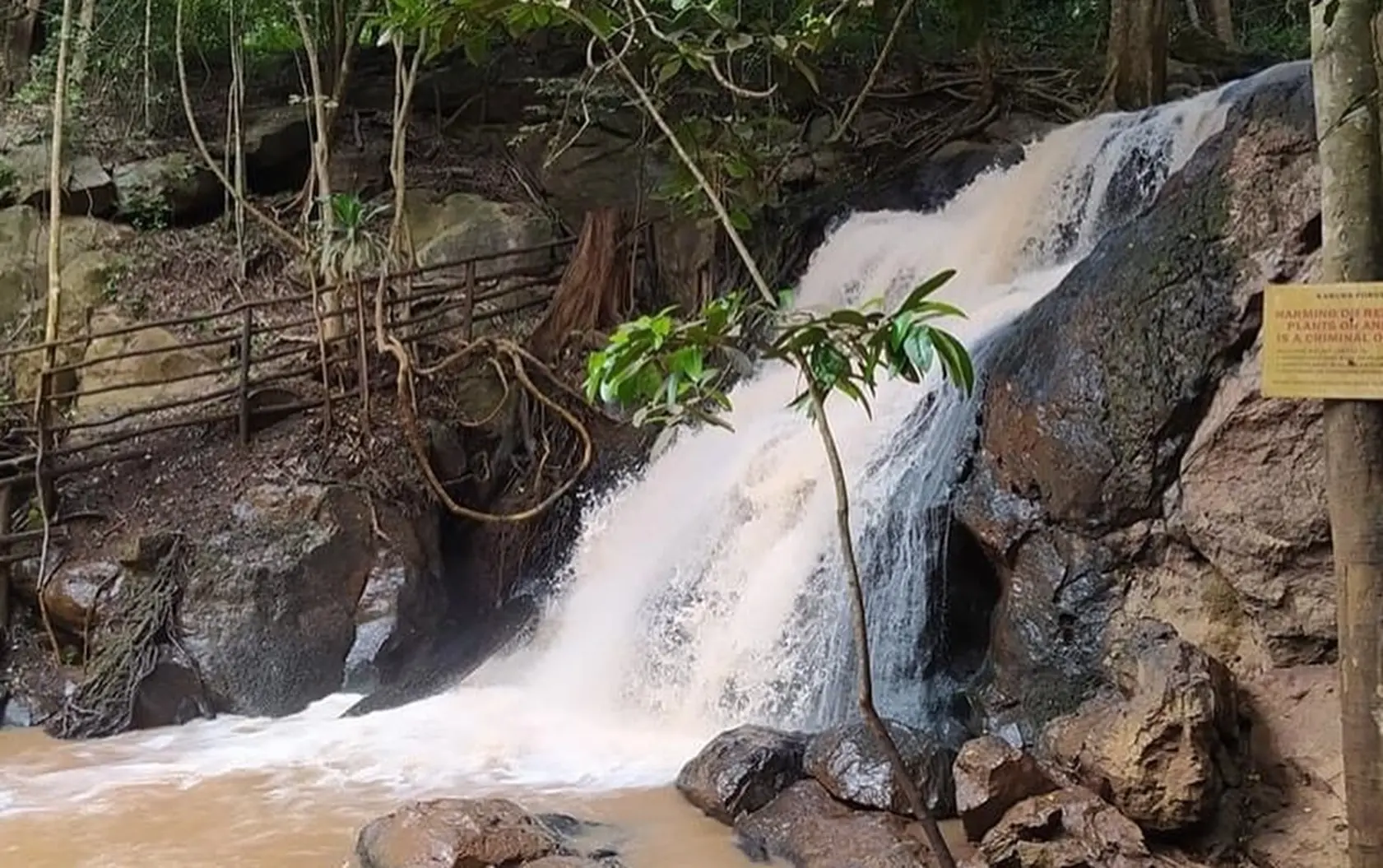
A significant attraction within the forest is the 15-metre waterfall. It is located along the Karura River.
The area is accessible via a short, marked trail from the main forest tracks. The waterfall results from the river flowing over a resistant rock layer, forming a plunge pool below.
For safety and conservation, swimming in the river or at the base of the waterfall is strictly prohibited.
The Karura Forest Arboretum Experience
The forest incorporates an arboretum. This section features a collection of labelled indigenous tree species.
The arboretum serves an educational purpose, enabling visitors to identify and learn about Kenya's native flora. It offers insights into the ecological roles of different tree species and supports the forest's conservation mandate.
Specialised Activities within Karura Forest
Beyond the primary trail-based recreation, Karura Forest offers facilities for specific sports and wellness activities. These activities require booking or access through designated operators.
Horseback Riding Activities in Karura Forest
Guided horseback riding is available on designated equestrian trails within the forest. Private operators licensed to conduct tours manage this activity.
Horseback riding offers a distinct way to experience the forest's environment. Pre-booking is a requirement for all horseback riding sessions.
Tennis Court Activities at Karura Forest
A tennis court facility is situated near the KFEET Centre at Gate A. The court is available for public hire on an hourly basis.
Equipment such as rackets and balls can also be rented on-site. The facility operates during the forest's public opening hours.
Yoga and Meditation Practices in Karura Forest

The forest's tranquil environment supports wellness activities such as yoga and meditation. Individual practice is permitted in designated quiet zones and picnic areas.
Organised group sessions, however, require prior authorisation from the forest management. This ensures minimal disruption to other visitors and the ecosystem.
Engaging Educational Programmes at Karura Forest
Karura Forest serves as an important centre for environmental education. The Karura Forest Environmental Education Trust (KFEET) provides structured programmes for school groups and other interested parties.
- Guided Nature Walks: Expert guides from FKF lead informative tours. These walks focus on the forest's ecology, biodiversity, history, and conservation. Pre-booking is essential for these tours.
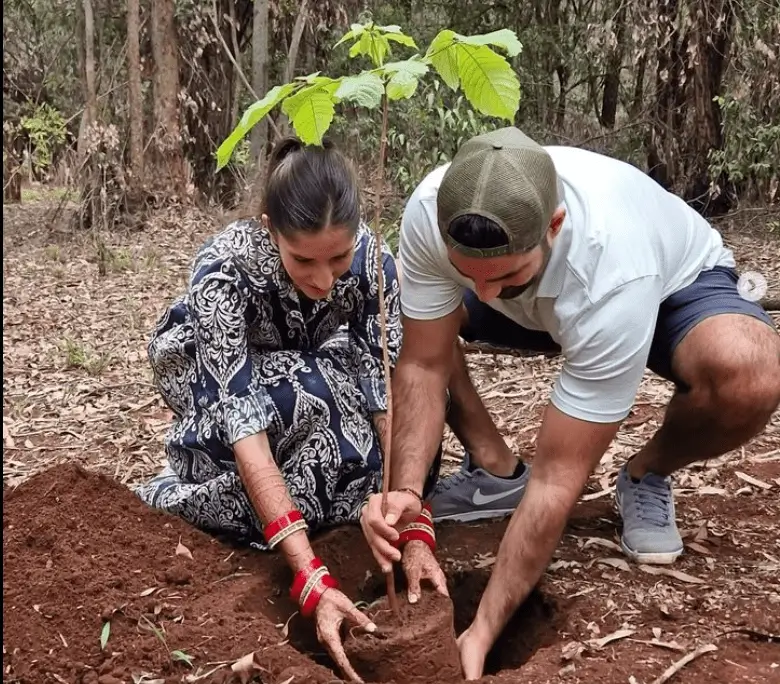
- Tree Planting: Organised tree-planting events support reforestation efforts. These programmes provide a direct way for individuals and corporate groups to contribute to the forest's conservation.
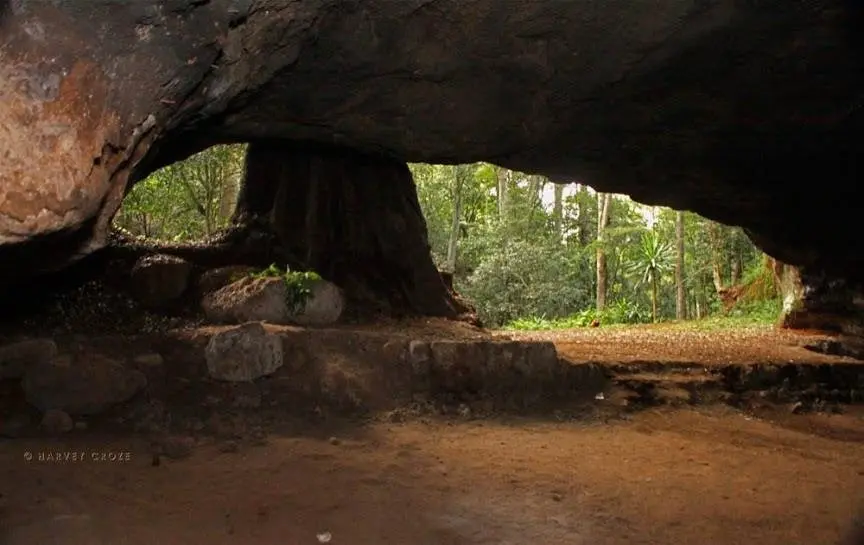
- Historical Cave Visits: The forest contains historical caves, including the Mau Mau caves. These caves served as hideouts during the Mau Mau Uprising. Access to these areas typically forms part of guided historical tours.
Karura Forest Activities Costs and Fees for 2026
All fees are regulated by the Kenya Forest Service and the Friends of Karura Forest. Payments are processed exclusively through M-Pesa mobile money or credit/debit card.
Cash transactions are not accepted at the entry gates.
Karura Forest Entry Fees for 2026
| Visitor Category | Fee (KES) - Per Person, Per Day |
|---|---|
| Citizen Adult | 100 |
| Citizen Child | 50 |
| Resident Adult | 200 |
| Resident Child | 100 |
| Non-Resident Adult | 600 |
| Non-Resident Child | 300 |
Bike Rental Costs for 2026
| Item | Cost (KES) | Duration |
|---|---|---|
| Bicycle Hire | 600 | 2 Hours |
| Trail Access (with own bike) | 100 | Per Day |
Guided Tour and Other Activity Fees for 2026
| Activity | Cost (KES) | Notes |
|---|---|---|
| Guided Walk (per group) | 3,000 | Maximum 10 persons. Booking required. |
| Horseback Riding (per person) | 2,500 - 4,000 | Rate varies by operator and duration. Booking required. |
| Tennis Court Hire (per hour) | 500 | Equipment rental is an additional cost. |
| Picnic Site Booking | 150 (Adult), 100 (Child) | Fee is in addition to the standard entry fee. |
Planning Your Visit to Karura Forest and Its Logistics
A visit to Karura Forest necessitates adherence to specific rules and careful logistical planning. This ensures a safe and compliant experience.
Karura Forest Opening Hours
The forest welcomes the public daily, including public holidays. Standard operating hours are from 06:00 to 18:00.
Last entry into the forest is strictly at 17:45. All visitors must exit the premises by 19:00.
Accessing Karura Forest Entry Points
The forest features multiple entry points:
- Gate A (Limuru Road): This serves as the main entrance, situated directly opposite the Belgian Embassy. This gate provides access to the KFEET Centre, the River Cafe, and the primary bike rental station.
- Gate C (Kiambu Road): Known as "Sharks Gate," this entrance offers convenient access to the northern and eastern sections of the forest.
- Gate F (Thigiri Lane): This gate provides access from the Gigiri/New Muthaiga residential area.
Safety and Visitor Guidelines for Karura Forest
Strict regulations are enforced for the preservation of the ecosystem and the safety of all visitors.
- No Single-Use Plastics: Single-use plastic bags and bottles are prohibited within the forest. Visitors should carry reusable water bottles.
- Stay on Marked Trails: Visitors must remain on the designated paths. This practice helps prevent soil erosion and disturbance to flora and fauna.
- Waste Management: Karura Forest operates as a "take it in, take it out" facility. All waste must be carried out by visitors upon their exit.
- Security: KFS rangers patrol the forest regularly. An emergency contact number is printed on entry tickets and displayed on signposts throughout the forest.