Effective financial planning forms a critical component of a successful trip to Kenya.
This logistical guide outlines essential monetary considerations for tourists.
It covers mandatory entry costs, currency management, and budgeting for major expenses like park fees.
Understanding the local economic landscape and payment systems ensures a trip without financial friction.
Understanding Kenya's Economic Landscape for Tourists
Navigating Kenya's economy requires an understanding of its currency, inflationary trends, and the role of foreign currencies.
The official currency is the Kenya Shilling (KES).
Major tourist establishments often price services in US Dollars (USD).
However, daily transactions are conducted in KES.
General Inflation Trends Affecting Traveller Funds
Kenya, like many global economies, experiences inflation that affects the cost of goods and services.
This includes food, transport, and local tours.
Travellers in 2026 should budget for a potential 5-7% year-on-year increase in miscellaneous costs compared to previous price guides.
Planning with a buffer for such fluctuations forms a sound financial strategy.
Major Foreign Currencies and Kenya Shilling Performance
The US Dollar (USD) is the most widely accepted and easily exchanged foreign currency.
This is followed by the Euro (EUR) and the British Pound (GBP).
These currencies offer stable exchange rates against the KES.
Travellers should carry newer USD banknotes (post-2013).
Older notes are often rejected due to counterfeiting concerns.
Kenya Entry Logistics and Travel Funds
As of 2026, Kenya has streamlined its entry process.
All visitors must obtain an Electronic Travel Authorisation (eTA) prior to arrival.
This system replaces the previous visa regime.
The eTA forms a mandatory cost to factor into your initial budget.
Kenya eTA Application Process 2026 Update
All travellers must apply for an eTA online through the official Government of Kenya portal.
The application requires submitting personal details, travel itinerary, and proof of accommodation.
The standard processing time is 72 hours.
Applying at least one week in advance is recommended to mitigate potential delays.
eTA Associated Costs and Travel Funds
The standard processing fee for the Kenya eTA is approximately $34 USD.
This is payable online via credit or debit card during the application process.
This non-refundable fee is a per-person cost.
Travellers must budget for this cost before departure.
Other Essential Entry Requirements for Tourists
Beyond the eTA, immigration officials may require proof of onward travel.
They may also request evidence of sufficient funds for your stay.
A Yellow Fever vaccination certificate is necessary if arriving from a country with risk of transmission.
Ensure you carry digital or physical copies of these documents.
Key 2026 Travel Expenses and Financial Management
Core travel expenses in Kenya revolve around park conservation fees, accommodation, food, and transport.
Proactive budgeting for these items is essential for financial control throughout your journey.
Impact of 2026 KWS Premium Park Rates on Travel Budgets
The Kenya Wildlife Service (KWS) has a tiered pricing structure for park entry fees.
These fees form a significant part of any safari budget.
Fees are typically payable per person, per 24-hour period, in USD or the KES equivalent.
| Premium National Park | High Season Rate (Jul-Mar) | Low Season Rate (Apr-Jun) |
| Amboseli | $100 USD | $80 USD |
| Lake Nakuru | $100 USD | $80 USD |
| Tsavo East & Tsavo West | $100 USD | $80 USD |
| Maasai Mara National Reserve* | $100 - $200 USD** | $100 - $200 USD** |
*The Maasai Mara is managed by Narok County, not KWS, and has its own rate structure.
**Rate can increase to $200 from January 2025 depending on where you stay. Confirm rates with your tour operator.
Sample Budget for a Mid-Range Traveller (7 Days)
This sample budget provides a logistical framework for a week-long trip.
It excludes international flights and major safari packages.
All figures are in USD.
| Category | Daily Cost Estimate | Total for 7 Days |
| Accommodation (Mid-range hotel/lodge) | $100 | $700 |
| Food (Mix of restaurants and local cafes) | $50 | $350 |
| Transportation (Ride-sharing, short-hire) | $25 | $175 |
| Activities (e.g., museum, local tour) | $60 | $420 |
| Contingency Fund (10%) | $23.50 | $164.50 |
| Total Estimated Budget | $258.50 | $1,809.50 |
Affordable Accommodation and Dining Strategies in Kenya
Strategic choices in lodging and dining can significantly reduce overall expenditure.
Kenya offers a wide spectrum of options catering to various budget levels.
Strategies for Affordable Accommodations
Consider options beyond traditional hotels, such as guesthouses, reputable hostels in tourist areas, and Airbnb rentals.
Properties offering kitchen facilities or complimentary breakfast provide added value by reducing food costs.
Booking accommodation outside of national park boundaries often results in lower nightly rates.
Dining Strategies for Saving Travel Funds
Dine at local eateries, known as 'hotelis', for authentic Kenyan meals like ugali, sukuma wiki, and nyama choma.
These meals cost a fraction of the price found at tourist-oriented restaurants.
Major local chains like Java House offer reliable, safe, and moderately priced meals.
For self-catering, shopping at supermarkets like Carrefour or Naivas is more economical than smaller convenience stores.
Transportation and Mobility Strategies for Savings in Kenya
Efficiently navigating Kenya's urban and rural areas is key to managing time and budget.
A multi-modal approach often proves most effective.
Utilising Public Transport Options
For inter-city travel, reputable bus companies offer a cost-effective alternative to flying.
Within cities like Nairobi, 'matatus' (minibuses) form the most common public transport.
These are extremely cheap, but they operate on fixed routes and can be crowded.
Their use is recommended for experienced travellers comfortable with navigating informal systems.
Using Ride-sharing Applications
Ride-sharing services such as Uber and Bolt are widely available in Nairobi, Mombasa, and other major towns.
They offer transparent, upfront pricing.
These services are generally considered safer and more reliable than hailing street taxis.
Always confirm the vehicle's registration number matches the one in the app before entering.
Managing Travel Funds in Kenya
A diversified approach to carrying and spending money represents the most secure and efficient method.
Avoid relying on a single source of funds.
Exploring Money Options Beyond M-Pesa
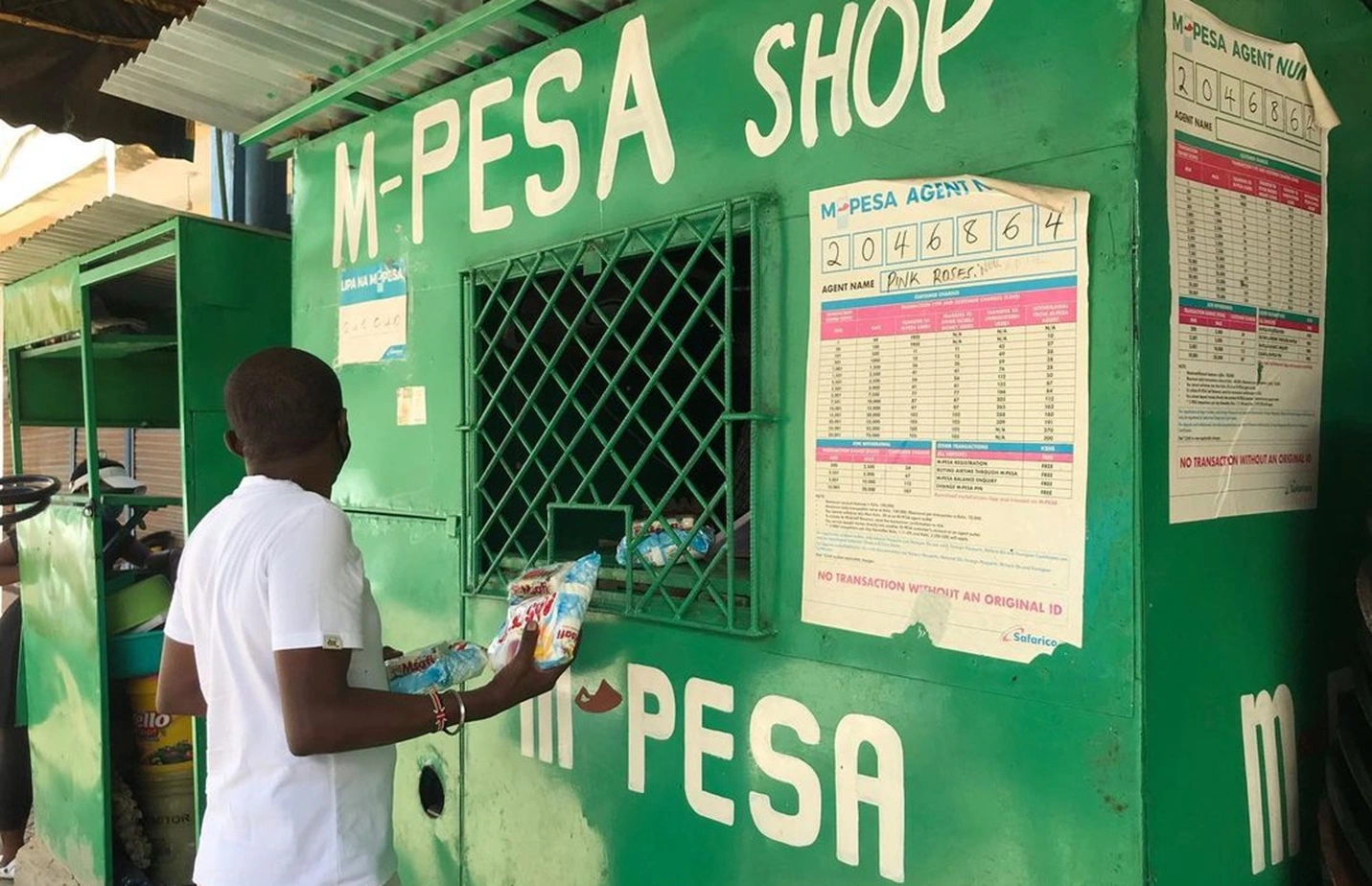
M-Pesa, a mobile money transfer service, is ubiquitous for local transactions.
Tourists can register for a line at any Safaricom shop by presenting their passport.
M-Pesa provides an invaluable tool for paying for small items, tips, and services where cards are not accepted.
Alongside M-Pesa, a combination of cash and credit/debit cards is recommended.
Visa and Mastercard represent the most widely accepted cards.
Local Banking Services for International Visitors
For extended stays, some international visitors opt to open a local bank account.
This is generally not necessary for short-term tourism.
Major banks include KCB Bank, Equity Bank, and Standard Chartered.
Reputable Forex Bureaus for Currency Exchange
For the best exchange rates, travellers should avoid airport kiosks.
Instead, use licensed forex bureaus located in city centres.
Seek bureaus that are members of the Kenya Forex Bureaus Association.
Always ask for a receipt and count your money before leaving the counter.
Banks with Competitive ATM Rates and International Service
ATMs connected to major banks like KCB, Equity, Stanbic, and Absa are prevalent in urban areas.
These ATMs offer competitive exchange rates.
Inform your home bank of your travel dates to avoid card blocking.
Note daily withdrawal limits set by both your home bank and the local ATM provider.
Using ATMs located inside bank branches or shopping malls during operating hours presents the most secure option.
Maximising Travel Funds and Value in Kenya
Achieving the best value involves understanding local customs for pricing.
It also means seeking out discounts where appropriate.
Negotiating Prices in Local Markets and Services
Bargaining is expected and customary in open-air markets for crafts and souvenirs.
It also applies with street vendors and for private taxi services.
Bargaining is not appropriate in supermarkets, formal restaurants, or retail stores with fixed prices.
A fair negotiation typically starts by offering 50-60% of the initial asking price.
The goal is to meet somewhere in the middle.
Maintain a polite and friendly demeanour throughout the process.
Local Discount Opportunities for Travellers
Travelling during the 'shoulder' seasons, such as October-November and April-June, can yield significant discounts on accommodation and tours.
Additionally, ask about resident rates if you hold a foreign resident permit for an East African country.
These rates can offer substantial savings on park fees and lodging.
Financial Safety and Security for Travel Funds in Kenya
Proactive security measures are essential for protecting funds and personal information.
Prevalent Financial Scams and Prevention Strategies
Note specific scams that target tourists.
These include ATM card skimming; always cover the keypad when entering your PIN.
'Friendly helper' scams occur at transport hubs or ATMs, where an individual offers assistance with the intent of distracting you to steal your card or cash.
Politely decline all unsolicited offers of help with financial transactions.
General Advice for Protecting Travel Funds
Avoid carrying large sums of cash.
Use a money belt or secure internal pocket for the bulk of funds and cards.
Carry only a small amount of daily spending money in an easily accessible wallet.
Use hotel safes to store passports, backup cards, and excess currency.
Always keep a backup credit/debit card stored separately from your primary wallet.
A comprehensive travel insurance policy forms an essential part of travel preparations.
This policy should cover theft of cash and belongings, medical emergencies, and trip cancellations.
Recommended providers with strong global assistance networks include World Nomads and Allianz.
Essential Kenya Travel Fund Preparations
- Budget for eTA and Park Fees: These represent significant, mandatory upfront costs.
- Implement a Multi-Faceted Money Strategy: Combine local currency (KES), a primary credit/debit card, a backup card, and the M-Pesa mobile money service.
- Strategic Currency Exchange: Use ATMs at major banks or reputable forex bureaus in cities, not airport kiosks.
- Utilise Ride-Sharing Applications: For urban transport, apps like Uber and Bolt provide transparent and secure pricing.
- Practise Situational Awareness: Remain vigilant against common financial scams, especially around ATMs and in crowded areas. Secure your valuables and invest in robust travel insurance.